Custom-engineered Generator Step-Up (GSU) and substation transformers for utility-scale solar, wind, and BESS projects. IRA domestic content eligible. Built in America to bypass the 3-year global queue.
IRA Bonus Eligible
Target Lead Time
Maximum Unit Capacity
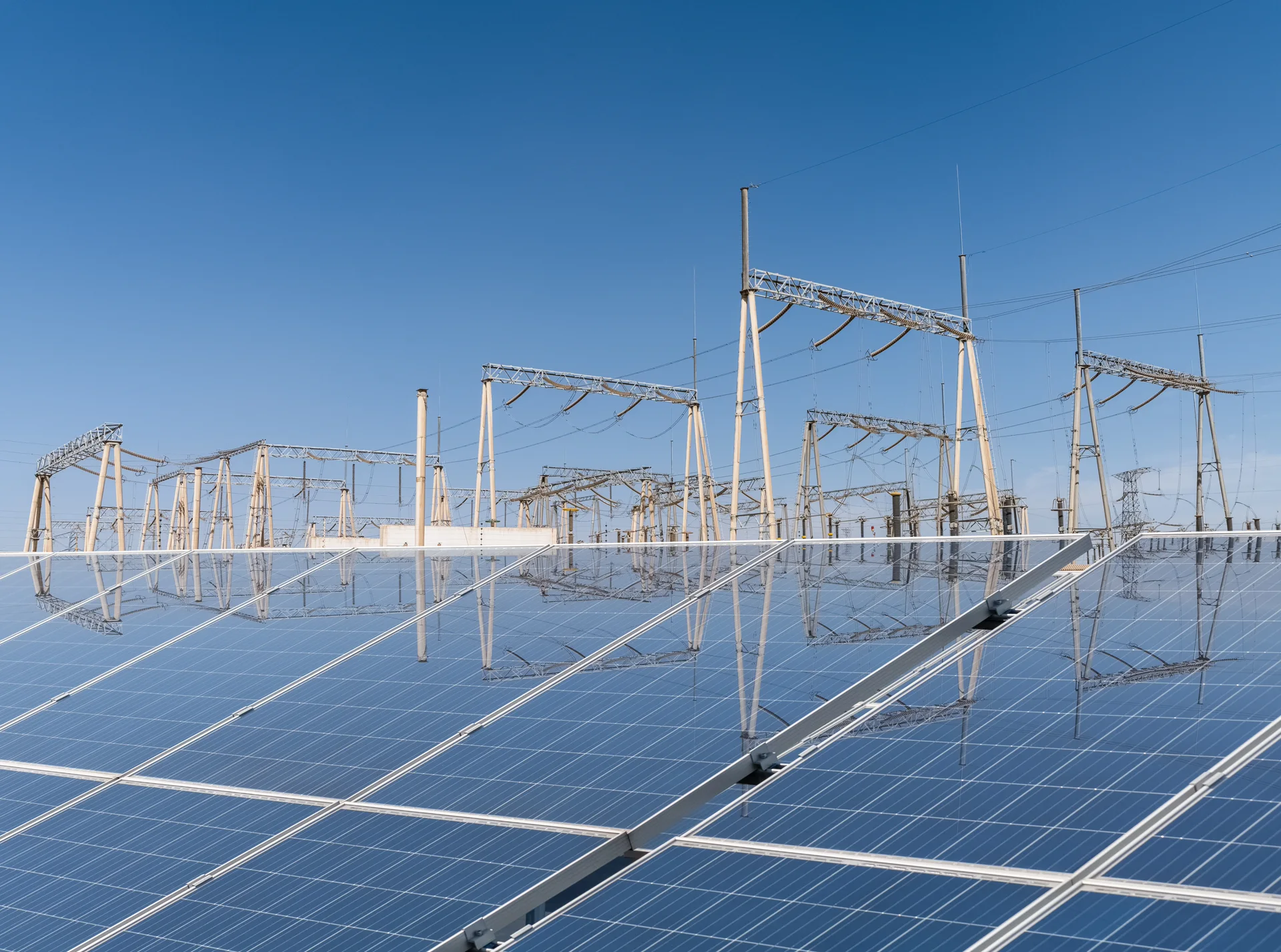
Utility-scale solar, wind, and battery storage (BESS) projects are deploying at record speed, but the supply chain for critical high-voltage equipment has broken down. As of 2026, global lead times for Generator Step-Up (GSU) transformers average 144 weeks. For developers and EPC contractors, this means the transformer — not the permitting or the panels — is now the ultimate bottleneck preventing projects from reaching Commercial Operation Date (COD).
You cannot finance or execute a renewable energy pipeline when your grid interconnection is delayed by nearly three years. LIMIK solves this critical-path delay. By dedicating our domestic manufacturing capacity strictly to North American projects, we deliver custom-engineered, inverter-duty transformers in a fraction of the global average lead time.
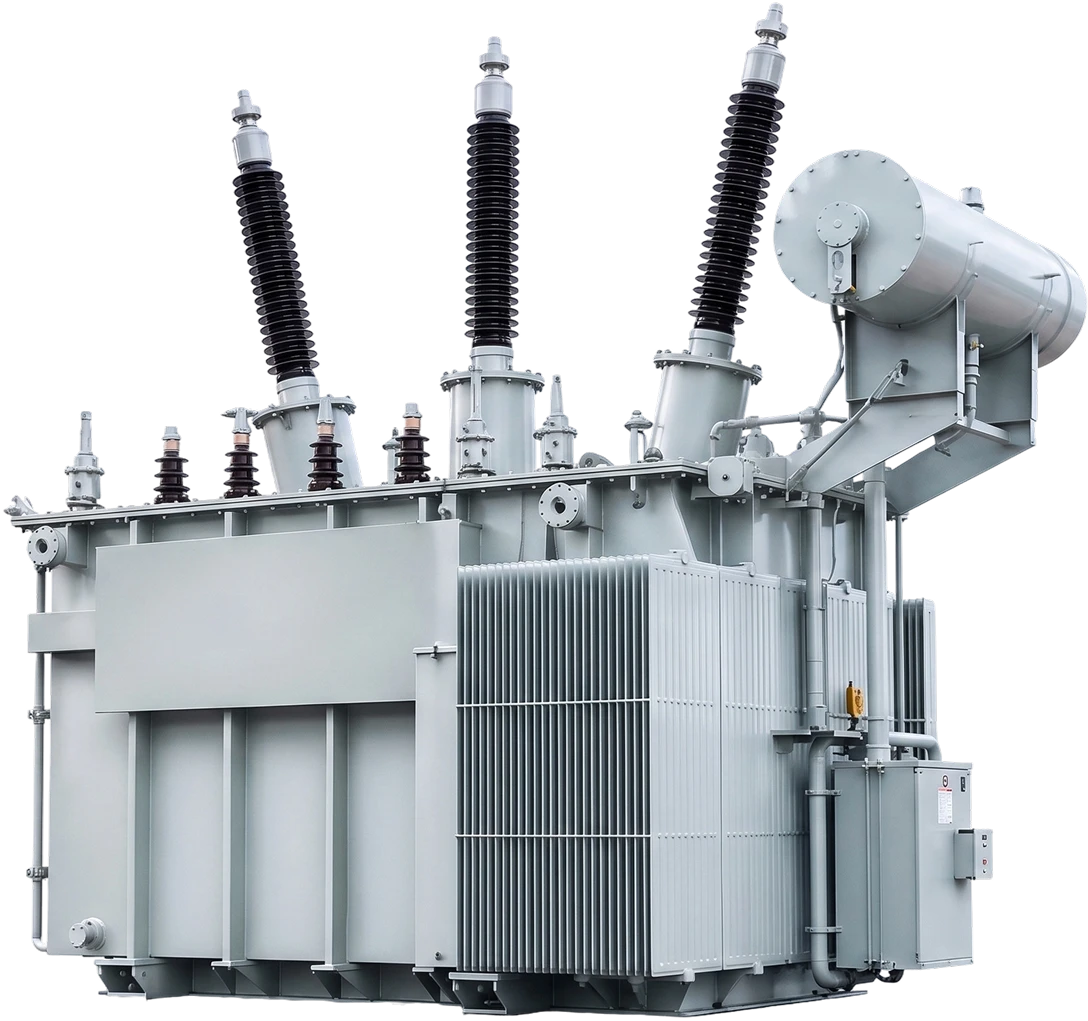
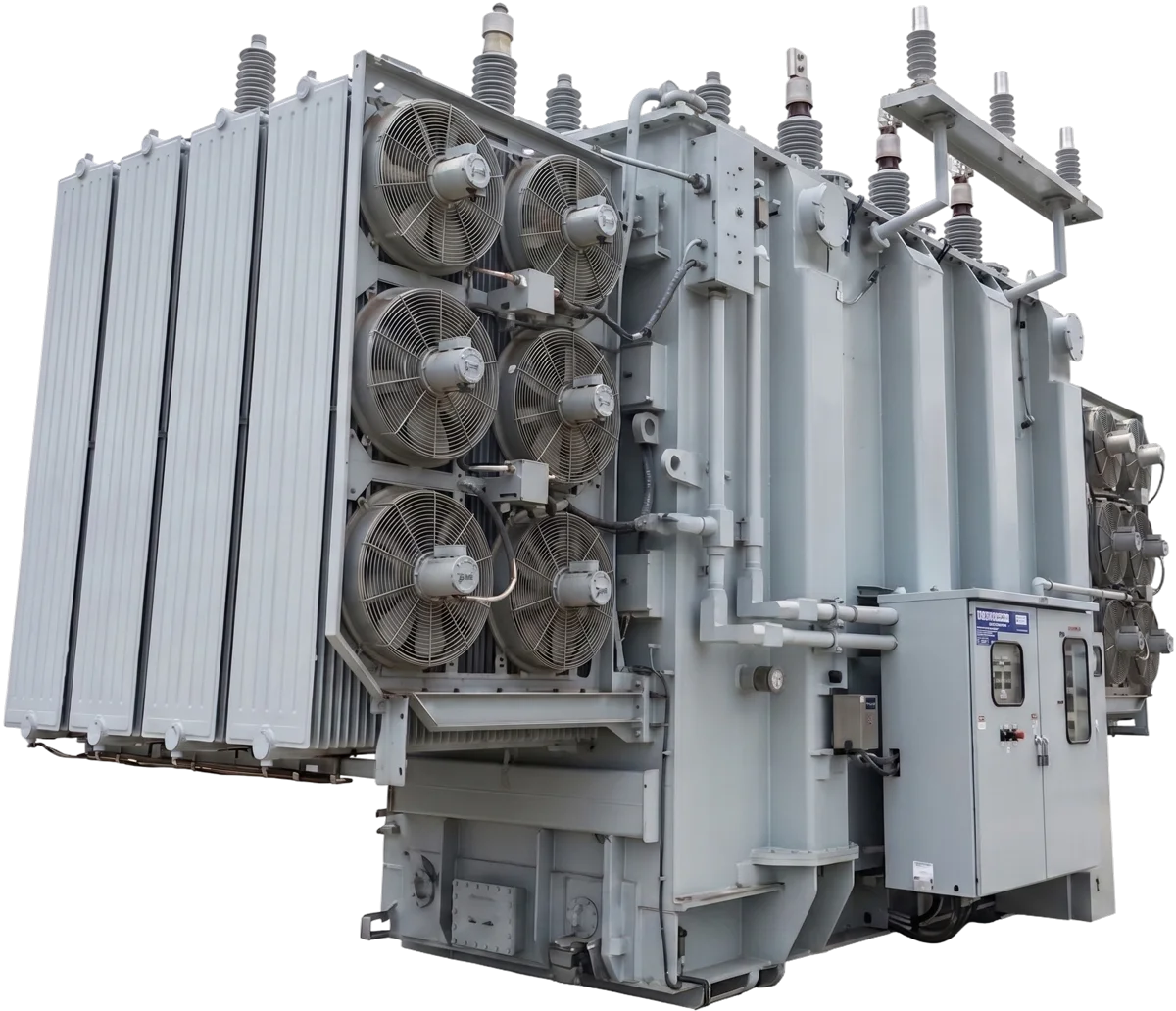
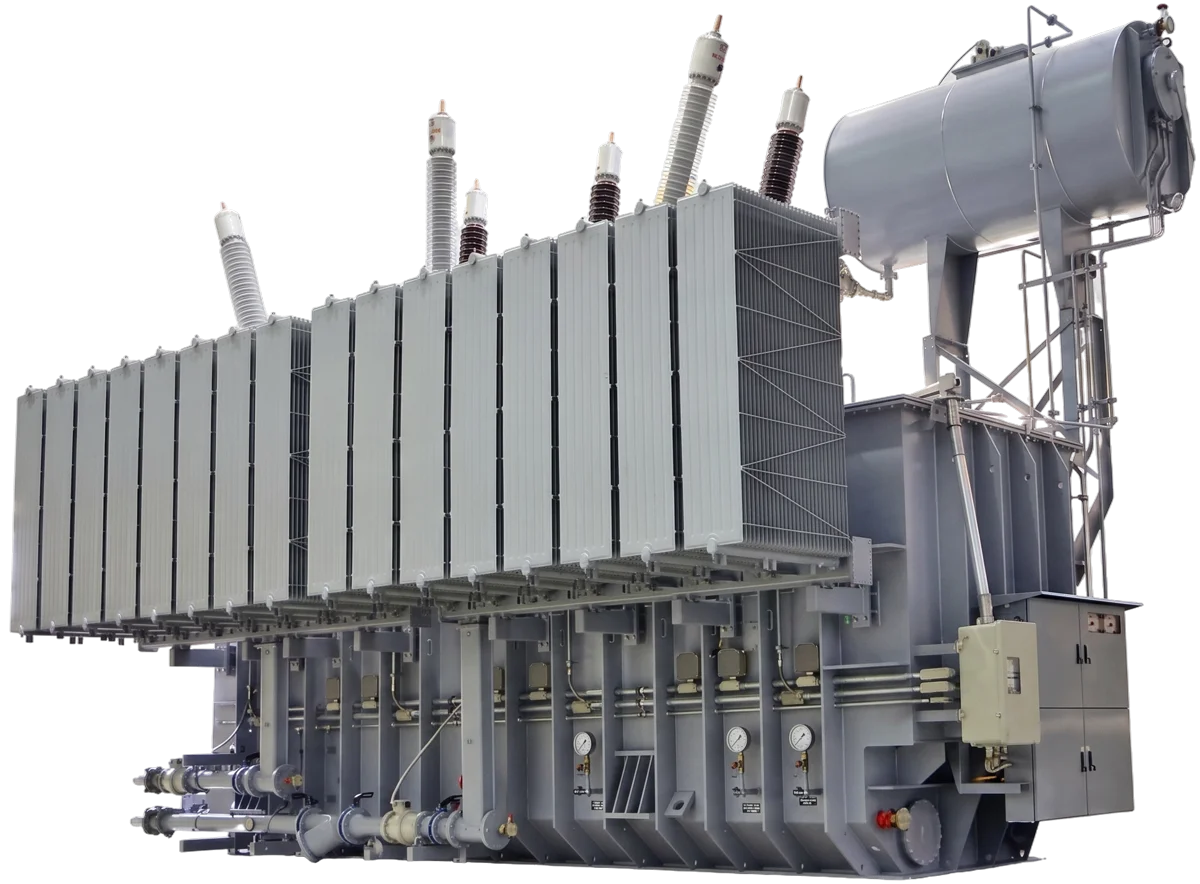
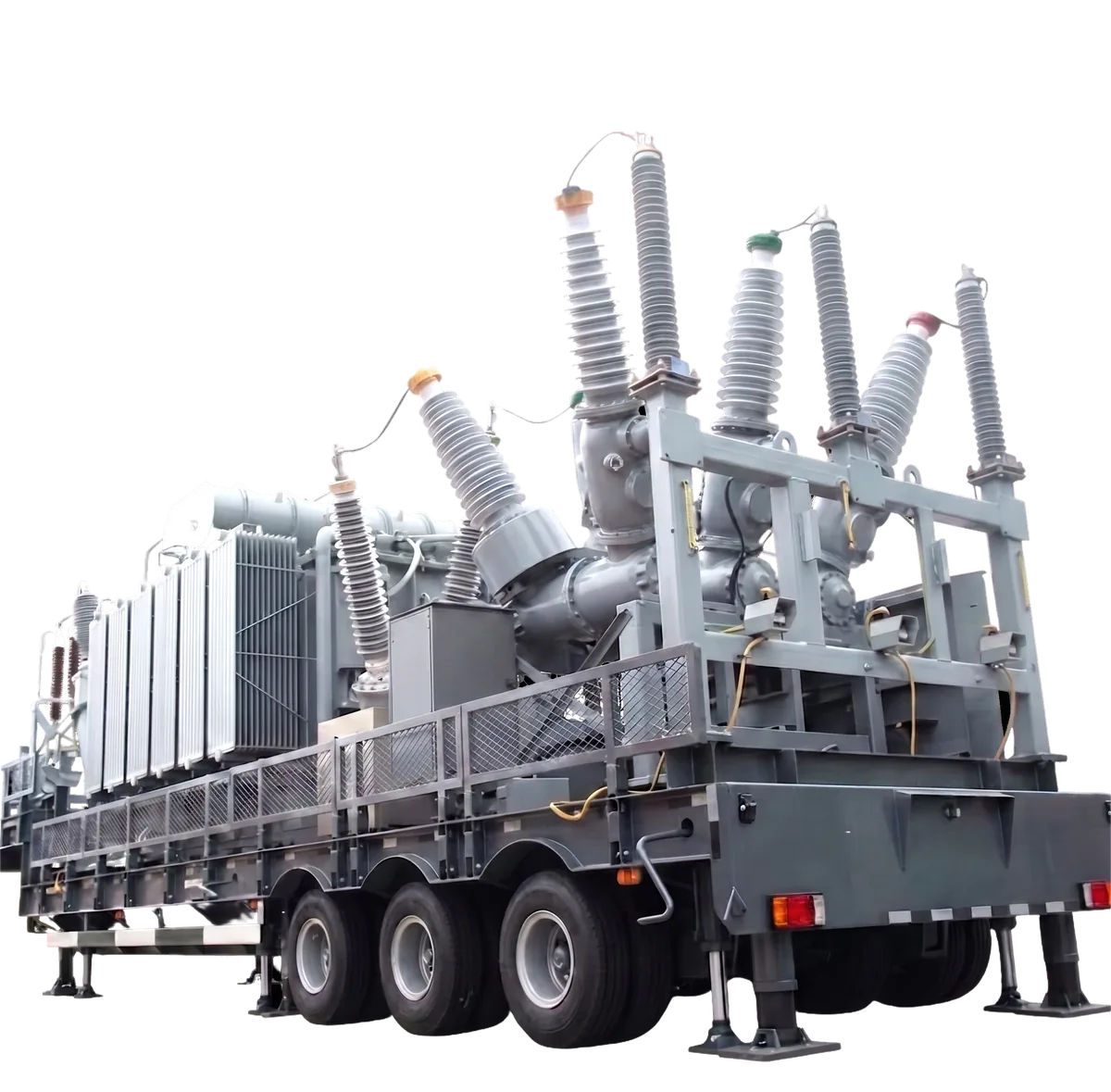
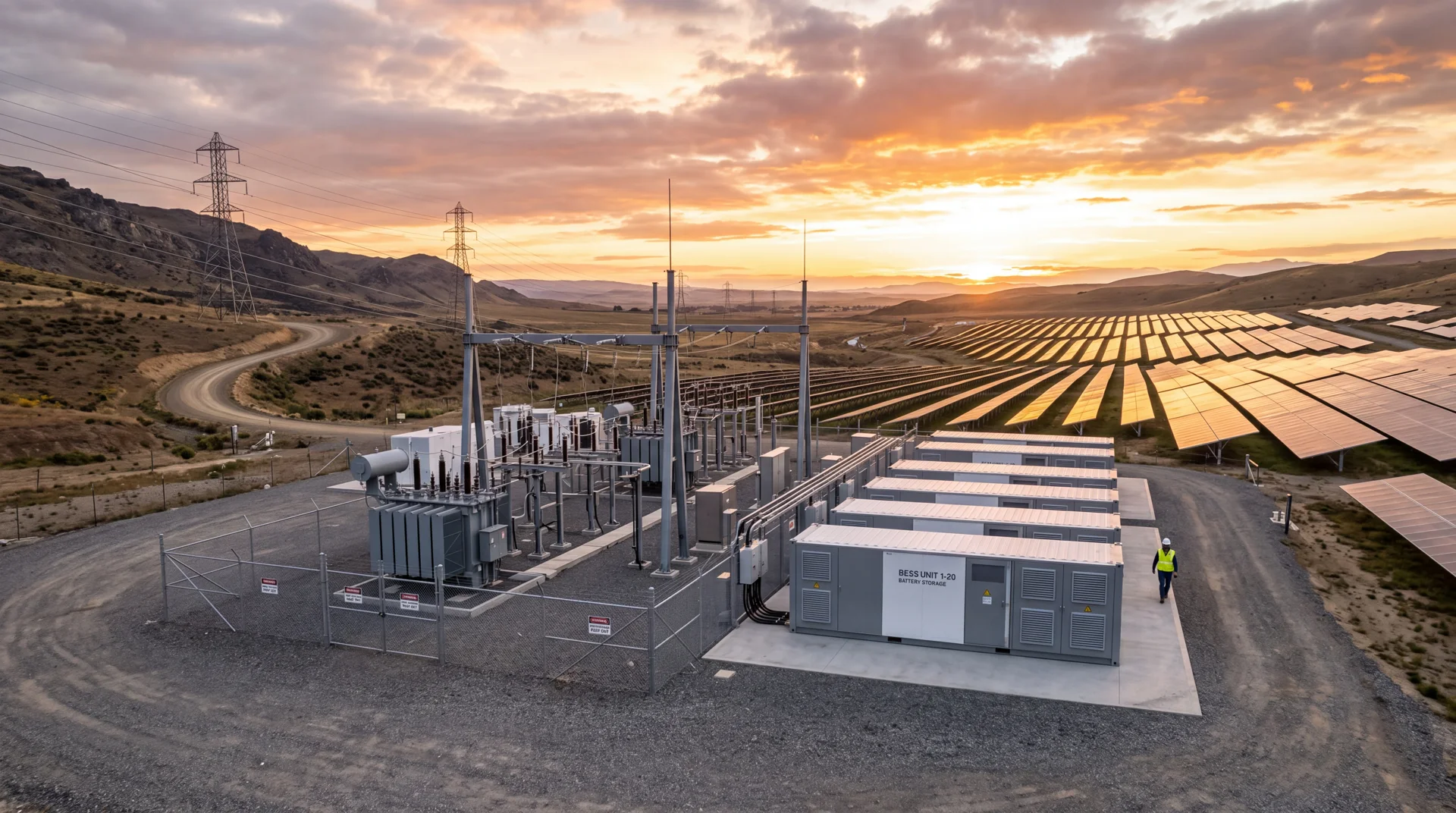
Each LIMIK product line serves a critical function in utility-scale renewable energy architecture — from inverter-connected Generator Step-Up (GSU) units at the array, to main power transformers at the collector substation, and autotransformers integrating the site with the high-voltage transmission grid.
Utility-scale solar arrays and battery energy storage systems (BESS) interface with the grid through heavy-duty inverters. These solid-state devices inject severe harmonic distortion (THD) and high-frequency transients into the system, which overheat and degrade standard off-the-shelf transformers. LIMIK GSUs are strictly inverter-duty. We incorporate electrostatic shields between windings and engineer specific K-factor ratings to safely dissipate harmonic heat, preventing premature insulation failure and ensuring maximum energy transfer from your arrays.
Specifying a transformer for a renewable energy site requires balancing intermittent generation profiles, strict utility interconnection agreements, and extreme environmental conditions. Below is the core criteria our engineering team reviews for utility-scale solar, wind, and storage projects.
Nameplate capacity matched to the maximum output of your solar array or wind farm, while accounting for the unique thermal stresses of cyclical daily loading and the rapid charge/discharge cycles of battery storage (BESS) systems.
Low-voltage windings precisely matched to your inverter or collector system output (typically 34.5 kV), stepping up to the high-voltage utility interconnection (115 kV, 138 kV, 230 kV, 345 kV). Basic Impulse Level (BIL) is engineered for the site's specific surge exposure.
Impedance values are not off-the-shelf. They must be strictly engineered to match your Interconnection Agreement (IA) requirements, managing fault current contributions and ensuring grid stability when your site injects power into the transmission network.
To protect against high-frequency transients and harmonic distortion generated by solid-state inverters, we specify electrostatic shields between primary and secondary windings, along with custom K-factor ratings to dissipate excess thermal energy safely.
Radiators and cooling stages sized for the exact ambient extremes of your site (e.g., desert heat). We also offer ester-based dielectric fluids (like FR3) for high fire point safety and environmental compliance, which is increasingly required for greenfield renewable sites.
LIMIK works directly with utility-scale solar and wind developers, BESS operators, and EPC contractors. Our engineering team will review your one-line diagrams, inverter specifications, and interconnection target dates — before a formal RFQ is ever issued.
Why LIMIK
American-made, inverter-duty engineered, and delivered in a fraction of the global average lead time. For developers and EPCs racing to meet tight interconnection deadlines, LIMIK provides the speed and compliance required to reach Commercial Operation Date (COD) on schedule and on budget.
Request a QuoteLIMIK is a U.S.-owned manufacturer. Because our transformers are 100% built on American soil, they act as a cornerstone component in helping your project meet the strict Manufactured Products percentage thresholds required to secure the 10% Domestic Content Bonus under the Inflation Reduction Act (IRA).
When global lead times for GSUs average nearly three years, the transformer becomes your biggest project risk. Our dedicated domestic capacity allows us to target 48 to 72-week lead times, helping you energize your site and start generating revenue quarters, or even years, ahead of the industry curve.
Your team works directly with our design engineers — not through a layer of sales intermediaries. Complex inverter matching, impedance targets for utility grid codes, and harmonic shielding configurations are resolved directly by the experts building your unit.
From the inverter-connected GSUs at the solar array to the main power transformers and autotransformers at the collector substation, LIMIK supplies the entire high-voltage chain. One domestic manufacturer, one documentation package, and one secure supply chain.
Answering the critical questions behind transformer procurement, lead times, and engineering specifications for utility-scale solar, wind, and battery storage (BESS) projects.
Contact UsYes. Because our large power transformers are 100% manufactured and engineered in the United States, they are classified as domestic manufactured products. Utilizing LIMIK equipment significantly helps your project meet the strict percentage thresholds required to claim the 10% bonus tax credit under the Inflation Reduction Act.
While the global industry average for renewable GSUs has stretched to 144 weeks, LIMIK maintains a target lead time of 48 to 72 weeks by dedicating our U.S. manufacturing capacity strictly to North American projects.
Absolutely. We engineer inverter-duty transformers with electrostatic shielding and custom K-factor ratings to handle severe harmonic distortion (THD). For BESS projects, our designs are mechanically and thermally built to withstand the stresses of continuous bi-directional power flow.
We support projects ranging from localized solar arrays to gigawatt-scale wind campuses. Our units range up to 600 MVA, with high-voltage ratings up to 525 kV. Low-voltage windings are typically custom-matched to 34.5 kV collector systems.
Yes. We can specify and fill transformers with natural or synthetic ester fluids (such as FR3). These fluids offer a significantly higher fire point and are biodegradable, meeting strict environmental and safety regulations for greenfield renewable sites.
It starts with a rapid engineering review of your one-line diagram and inverter specs. Once impedance, BIL, and cooling parameters are matched to your IA, we issue a Letter of Intent (LOI) to lock in your production slot ahead of the formal PO, keeping your project schedule on track.