Large Power
Transformers
Custom-engineered substation transformers, built for utilities, industrial facilities, and defense infrastructure.
 Buy American & BABA Compliant
 Certified to IEEE, ANSI & NEMA Standards
 Backed by 25 Years in the Industry
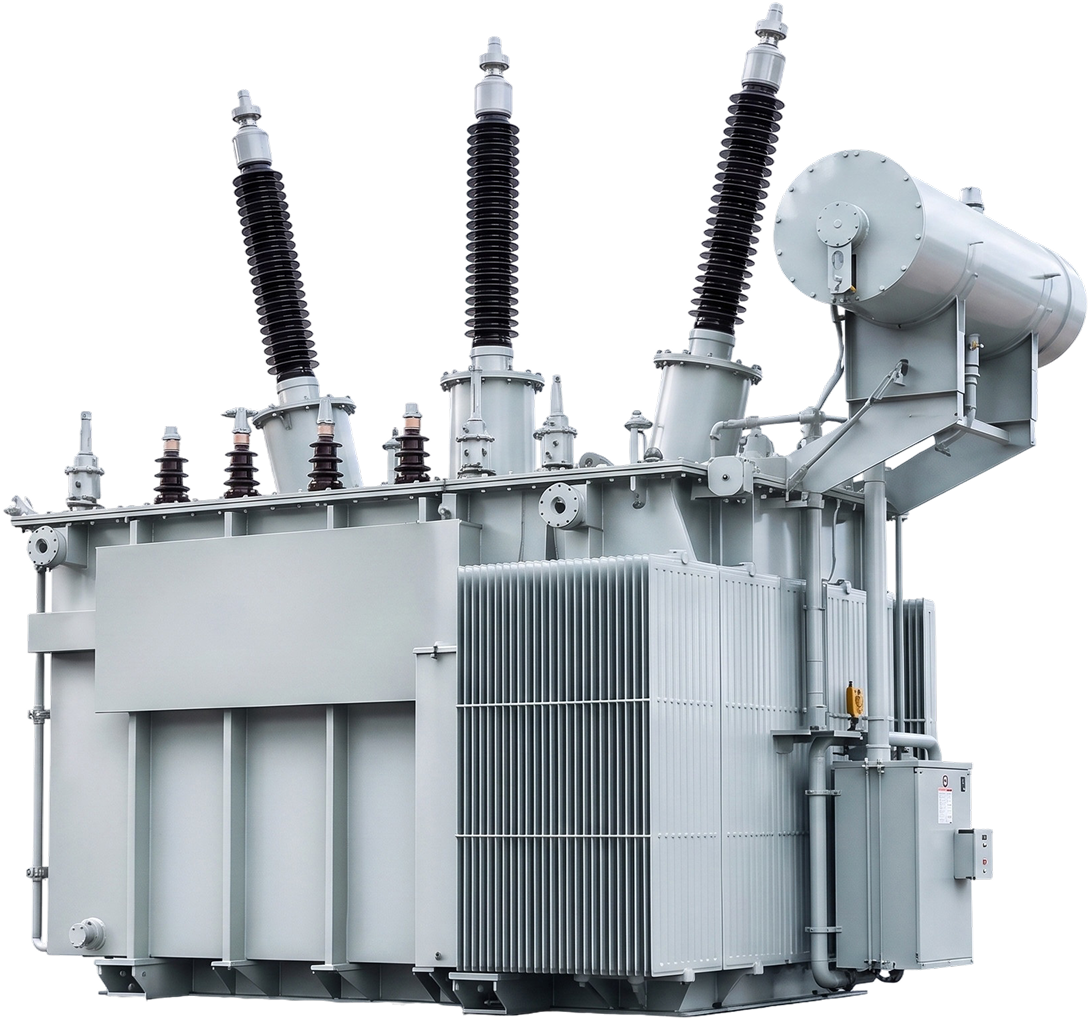
Technical Specifications
| Category | Specification |
|---|---|
| Capacity Range | 20–600 MVA |
| Phases | Single-phase and three-phase |
| HV Winding Voltage | 115 kV, 138 kV, 230 kV, 345 kV, 500 kV, 525 kV classes |
| LV Winding Voltage | Up to 69 kV |
| Impedance | 4% to 16% (custom per system configuration) |
| Winding Configurations | Two-winding; Three-winding |
| Tap Changer | On-Load Tap Changer (OLTC) standard; De-Energized (DETC) available |
| Cooling Methods | ONAN / ONAF / OFAF (specified per load profile) |
| Winding Material | High-conductivity copper (standard) |
| Insulation Medium | Liquid-immersed mineral oil |
| Standards | IEEE C57.12.00, IEEE C57.12.10, IEEE C57.12.90, ANSI, NEMA |
| Compliance | Buy American Act (BAA), BABA, §303 Defense Production Act |
| Factory Testing | IEEE C57.12.90 routine and type tests; full test report included |
| Lead Time | 48 to 72 weeks |
| Manufacturing | United States |
LIMIK Power Transformer Platform
LIMIK large power transformers are custom-engineered, liquid-immersed, oil-insulated units designed for transmission interconnection, bulk substation, and generation applications. Available from 20 to 600 MVA at voltage classes up to 525 kV — every unit is engineered to your specification. No catalog selections. No compromises.
Each transformer is designed to IEEE C57.12.00 and IEEE C57.12.10 standards with full ANSI compliance. Winding configurations include two-winding and three-winding designs. On-load tap changers (OLTC) are standard on all transmission-class units. Cooling systems are specified per load profile — ONAN base rating with ONAF and OFAF stages available for units above 100 MVA.
Every unit is factory-tested to IEEE C57.12.90 with full test reports provided. Buy American Act (BAA), BABA, and §303 Defense Production Act compliant on every order. Typical lead time: 48 to 72 weeks from signed specification to shipment.
Where LIMIK Power Transformers Are Specified
Bulk power delivery and transmission-to-distribution step-down for investor-owned utilities, cooperatives, and municipal power providers.
High-voltage tie points and inter-substation connections across regional transmission systems including PJM, MISO, SPP, and WECC.
Large industrial facilities requiring direct interconnection to the transmission grid — refineries, data centers, and heavy manufacturing.
Mission-critical power delivery for DOD and DOE facilities. §303 Defense Production Act and Berry Amendment compliant.
What Sets LIMIK Units Apart
No standard catalog units. Every transformer is engineered to your specification: MVA rating, voltage class, impedance, tap range, and cooling configuration.
High-conductivity copper windings standard on all LIMIK units. No aluminum substitutions — ever.
On-load tap changer standard for continuous voltage regulation under load. De-energized tap changer (DETC) available on distribution-interface units.
Satisfies BAA, BABA, and Berry Amendment requirements. Eligible for DOD/DOE direct procurement under §303 Defense Production Act.

Other Transformers
We Build
Request a Quote
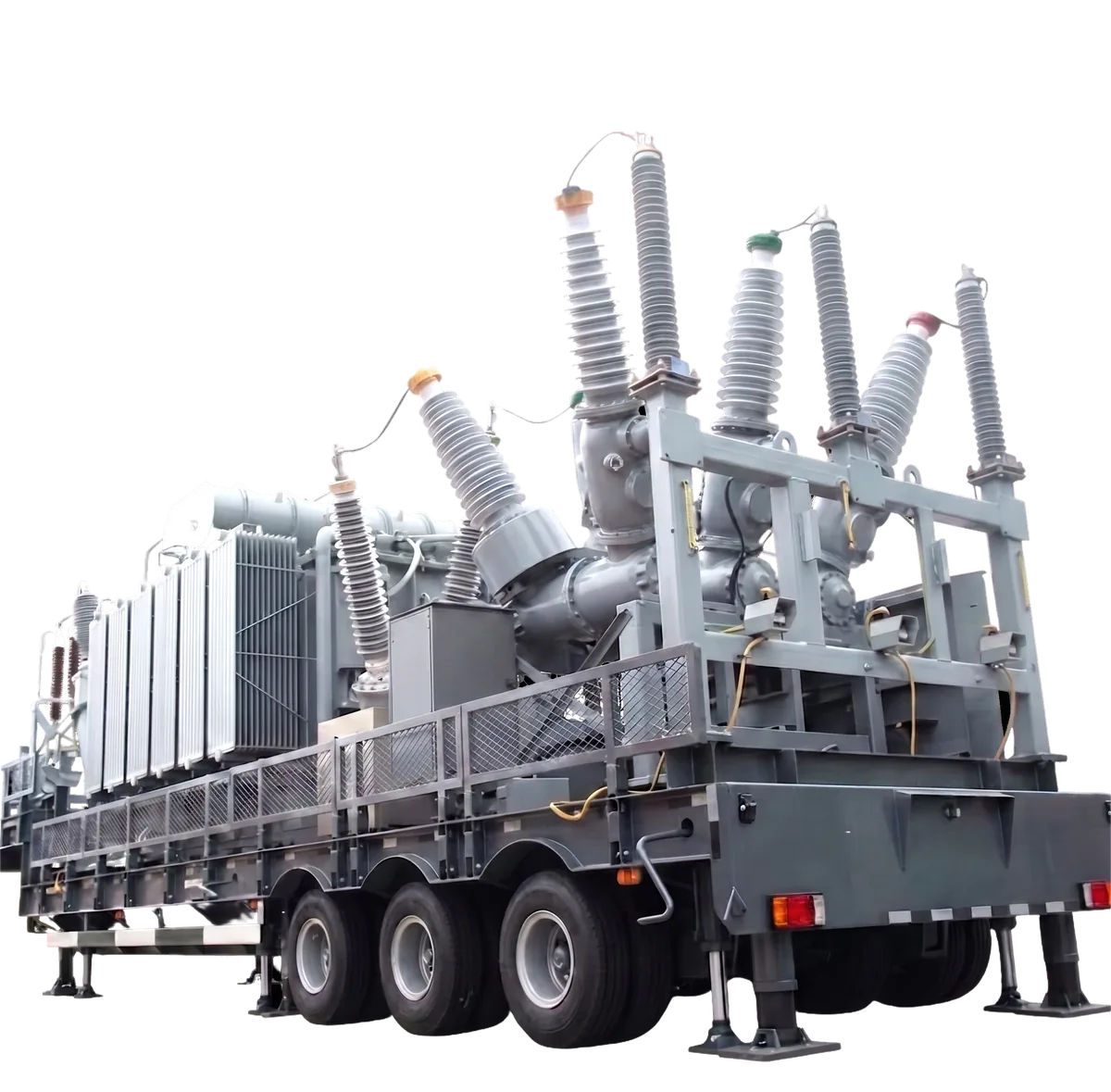
Compare LIMIK Transformer Types
Same engineering standards, testing, and Buy American compliance across every LIMIK platform — the difference is capacity, voltage class, and application.
|
|
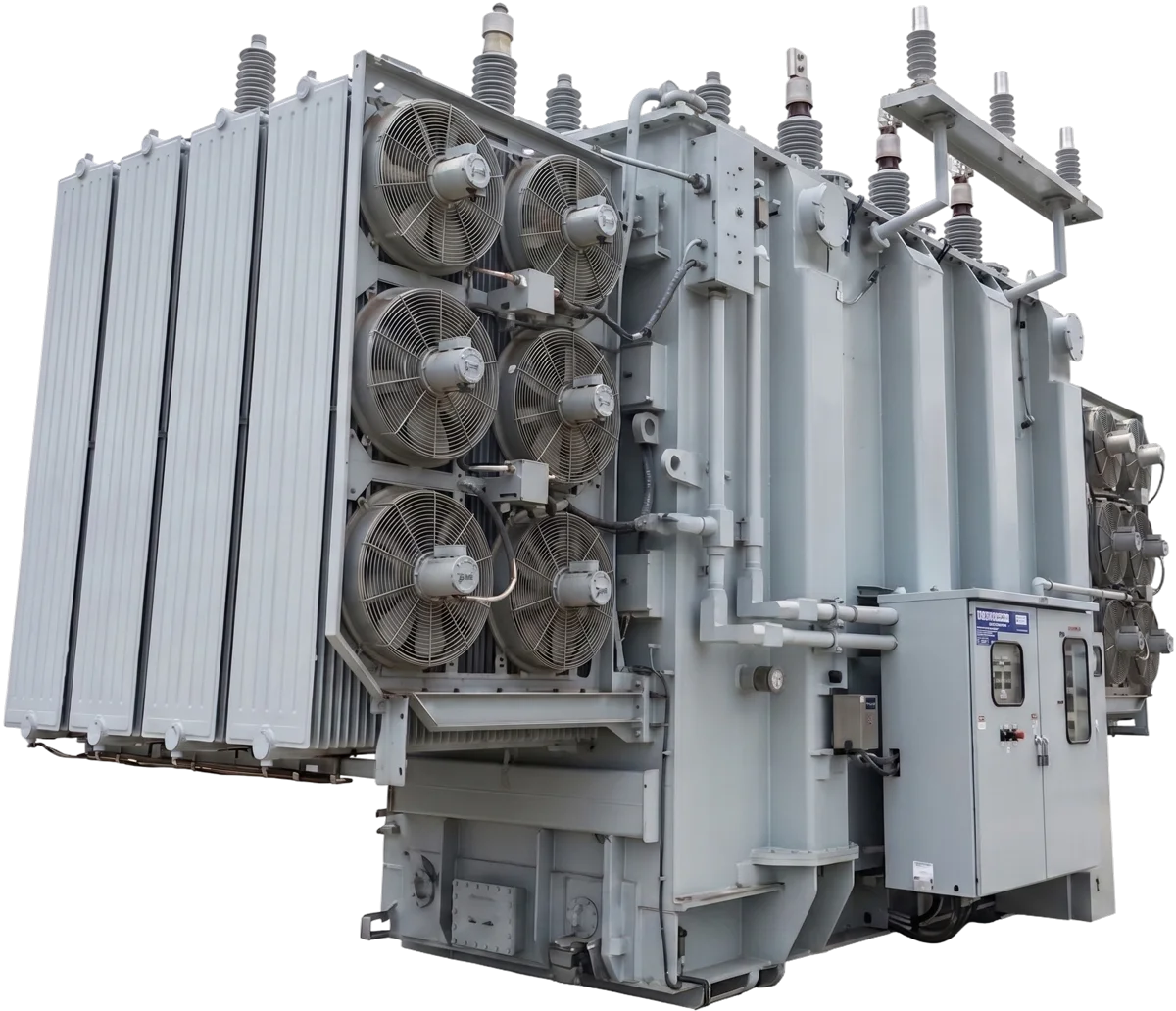 |
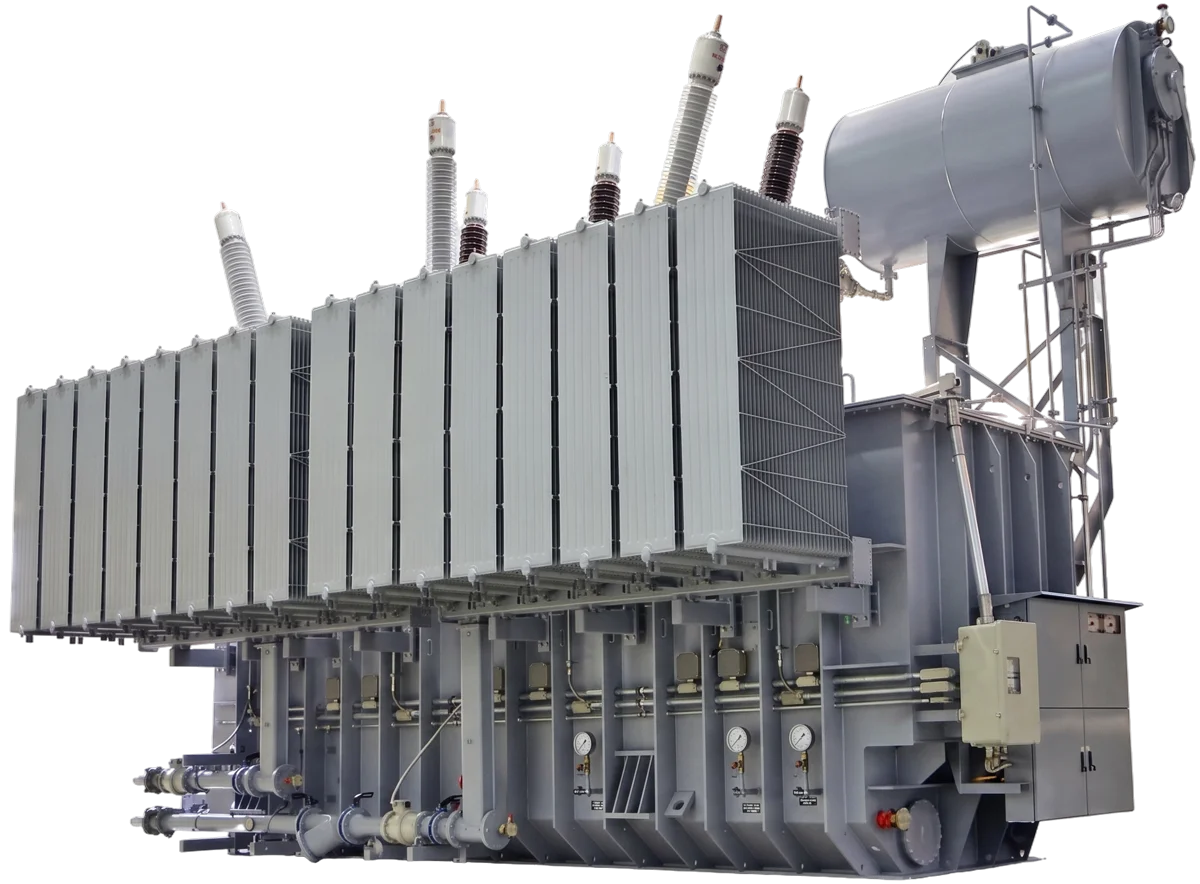 |
|
|---|---|---|---|
| Capacity Range | 20–600 MVA | Up to 600 MVA | 20–600 MVA |
| HV Rating | Up to 525 kV | Up to 525 kV | Up to 525 kV |
| LV Rating | Up to 69 kV | Up to 345 kV | Up to 35 kV |
| Phases | Single-phase and three-phase | Single-phase and three-phase | Single-phase and three-phase |
| Tap Changer | OLTC standard; DETC available | OLTC standard; DETC available | DETC standard; OLTC available |
| Cooling Methods | ONAN / ONAF / OFAF | ONAN / ONAF / OFAF | ONAN / ONAF / OFAF |
| Standards | IEEE C57.12.00/.10/.90, ANSI, NEMA | IEEE C57.12.00/.10/.90, ANSI, NEMA | IEEE C57.12.00/.10/.90, ANSI |
| Compliance | BAA, BABA, §303 DPA | BAA, BABA, §303 DPA | BAA, BABA, §303 DPA |
| Factory Testing | IEEE C57.12.90 | IEEE C57.12.90 | IEEE C57.12.90 |
| Lead Time | 48–72 weeks | 48–72 weeks | 48–72 weeks |
| Primary Application | Utility substations, transmission interconnection | Bulk EHV transmission interconnection | Generator-to-grid interconnection |
| Details | Details |
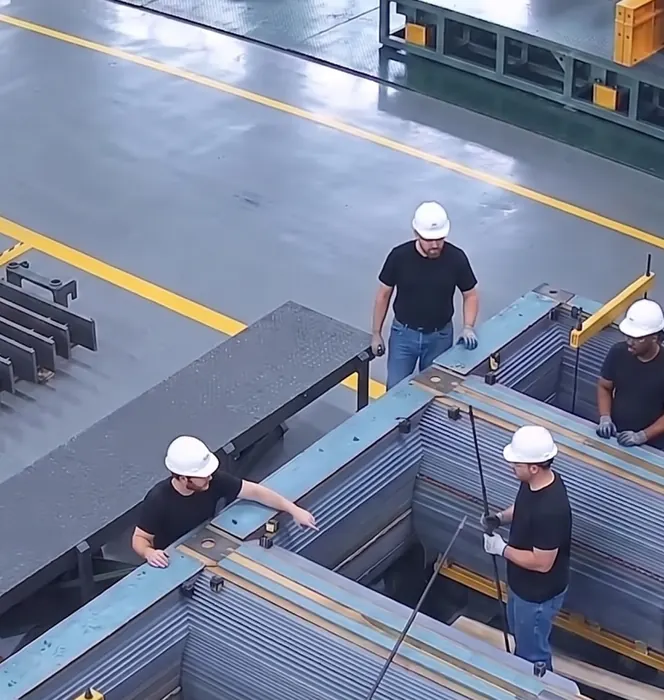
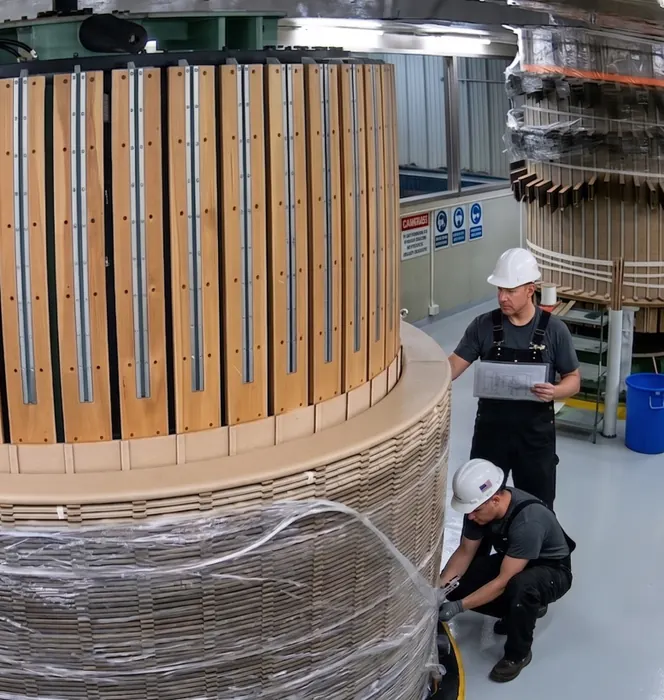
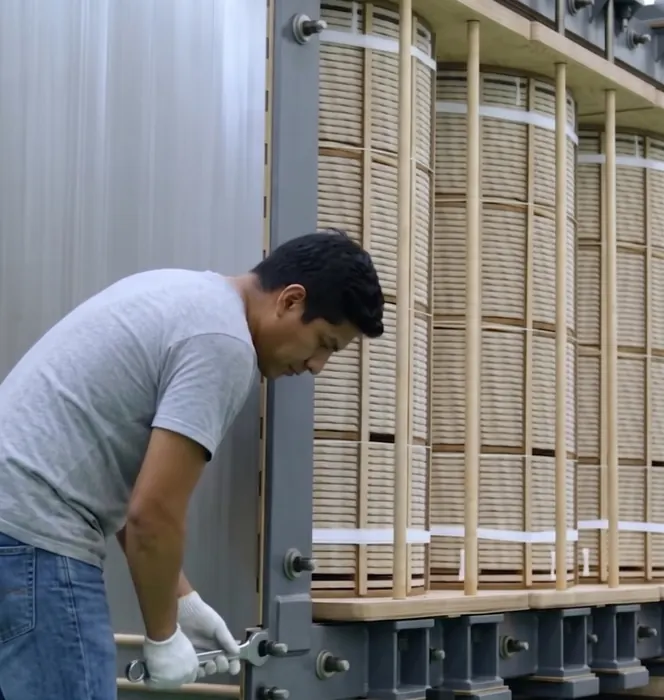
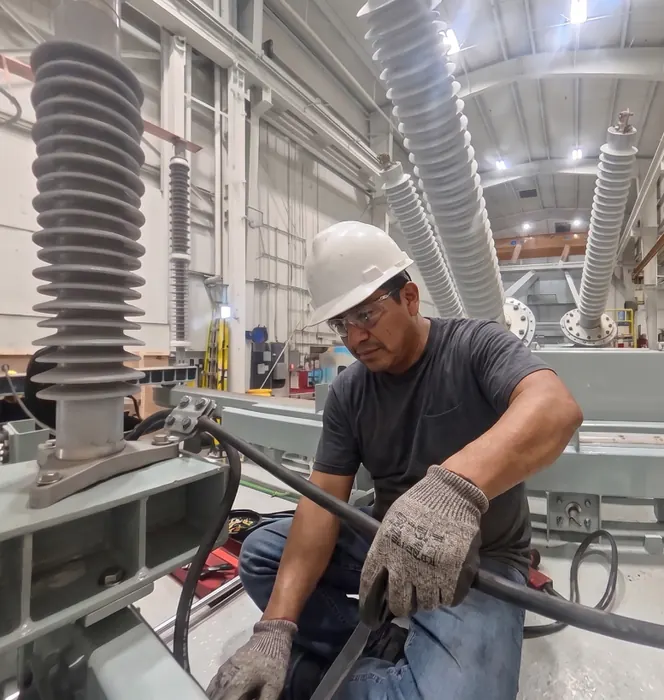
Power Starts Here
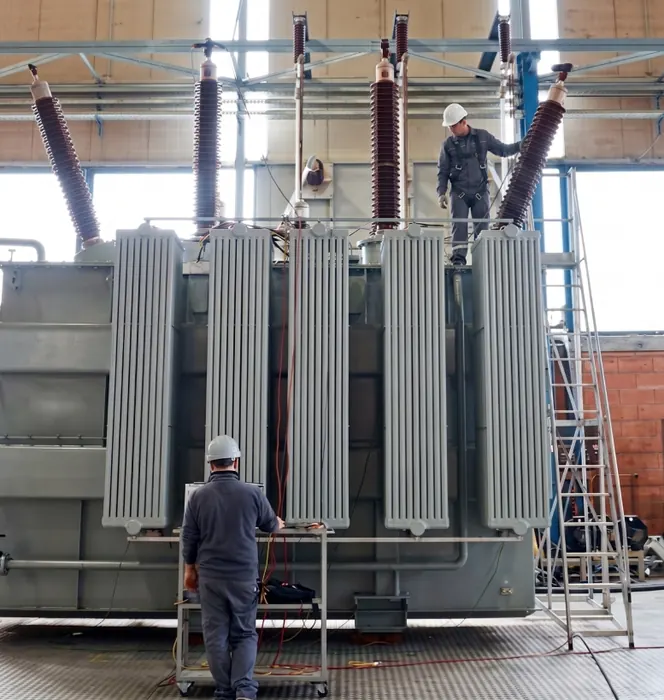
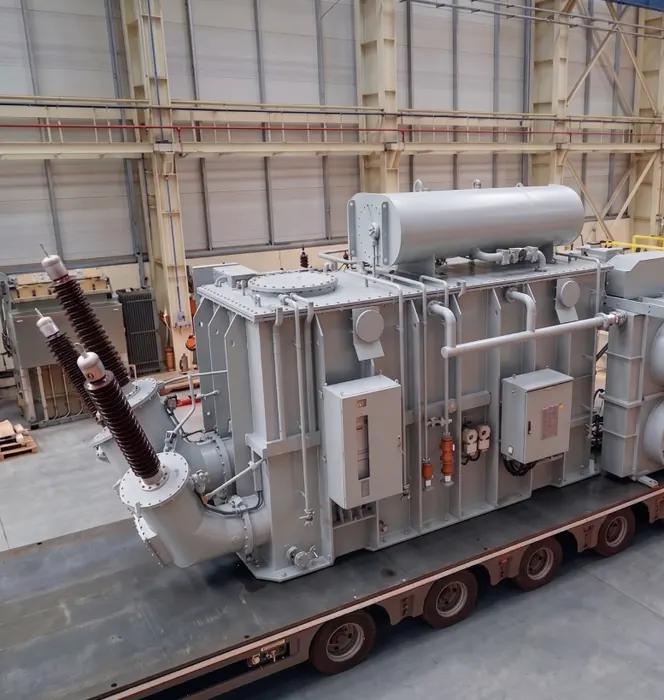
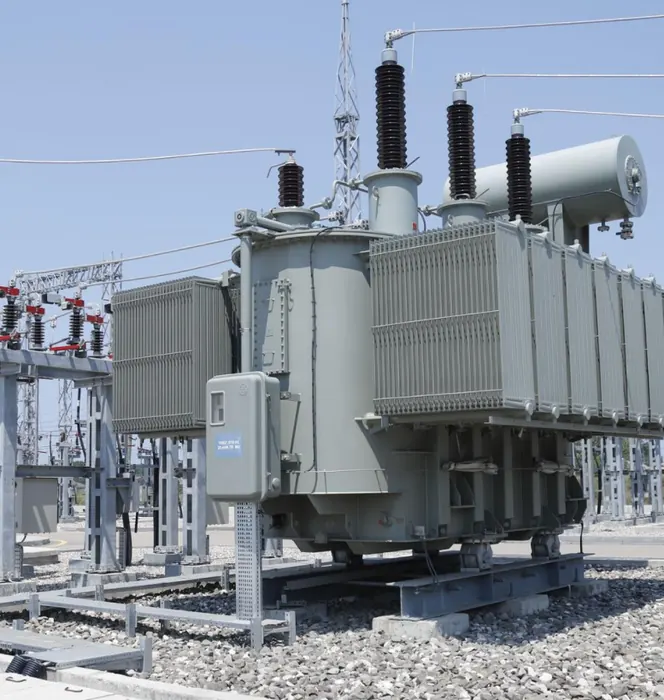
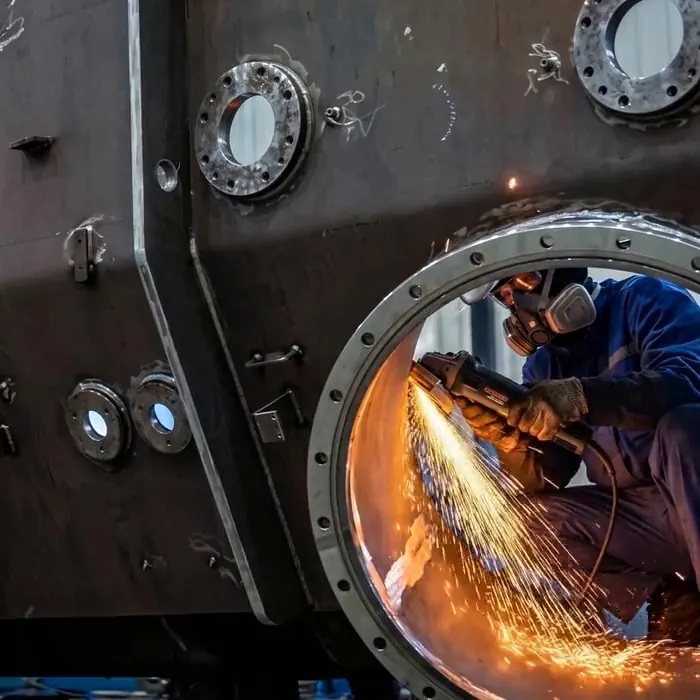
What starts as raw steel and copper becomes the machine that carries power across an entire region. Every weld, every winding, every test is done by people who know exactly what they're building and why it matters.
Three Reasons We're Different

25 Years of Engineering
LIMIK has designed and delivered large power transformers for utilities, power producers, and EPC contractors. Every project starts with your specification — not our catalog.

Made in the USA
Every transformer is designed, engineered, and built on American soil. That means Buy American compliance by default — and a supply chain you can actually track.

48 Weeks. Not 4 Years
While overseas suppliers quote 2–4 year lead times, LIMIK delivers in 48 weeks. When your project schedule is at stake, that difference is everything.
Power Transformers, Explained
Answering the questions we hear most — from technical specification and testing to compliance, delivery, and procurement. Everything you need before you submit an RFQ.
Contact UsYes. Copper is the standard specification for LIMIK power transformers, but aluminum conductors are available where your project calls for it. Conductor material — copper or aluminum — is set at the specification stage based on your loss targets, weight constraints, and budget.
A Power Transformer has fully separated primary and secondary windings and is used at utility substations to step transmission voltage down to distribution levels. An Autotransformer shares a portion of the winding between primary and secondary, which makes it more efficient for linking two transmission-level voltages — used at grid interconnection points, not at the customer end of the network. A GSU (Generator Step-Up) does the opposite job of a substation unit: it raises a generator's output voltage up to transmission level. Same engineering standards across all three — the difference is where each one sits in the power chain.
Yes. Impedance is a design target set at the specification stage, not a fixed catalog value. For a replacement transformer, matching the retiring unit's impedance is often necessary to avoid re-engineering the substation's protection and short-circuit coordination — our engineering team works from your existing system data to hit that target.
Yes. A three-winding transformer adds a tertiary winding, typically used to supply auxiliary station loads, provide a path for reactive power compensation, or interconnect a third voltage level at the same substation. Two-winding is the standard configuration; three-winding is specified when your substation design calls for that third connection point.
Every unit ships with a complete report covering the routine and type tests required under IEEE C57.12.90 — ratio, polarity, resistance, impedance and load loss, induced and applied potential, and excitation current among them. The report is provided before the unit leaves the factory, so your commissioning team has full data in hand before it arrives on site.
OLTC (on-load tap changer) adjusts voltage while the transformer stays energized and under load — standard on transmission-class units where continuous voltage regulation matters. DETC (de-energized tap changer) requires the unit to be taken offline to change taps — a simpler, lower-maintenance option suited to units where voltage conditions are stable and infrequent adjustment is acceptable. Your application and duty cycle determine which one fits.
The clock starts once your technical specification is finalized and the order is confirmed. Our engineering team works with you at the RFQ stage to resolve voltage class, impedance, cooling, and configuration before that clock starts — so the lead time you're quoted reflects your actual unit, not a placeholder spec.
Ready to Power Your
Next Project?
Transformers