Generator
Step-Up (GSU)
Transformers
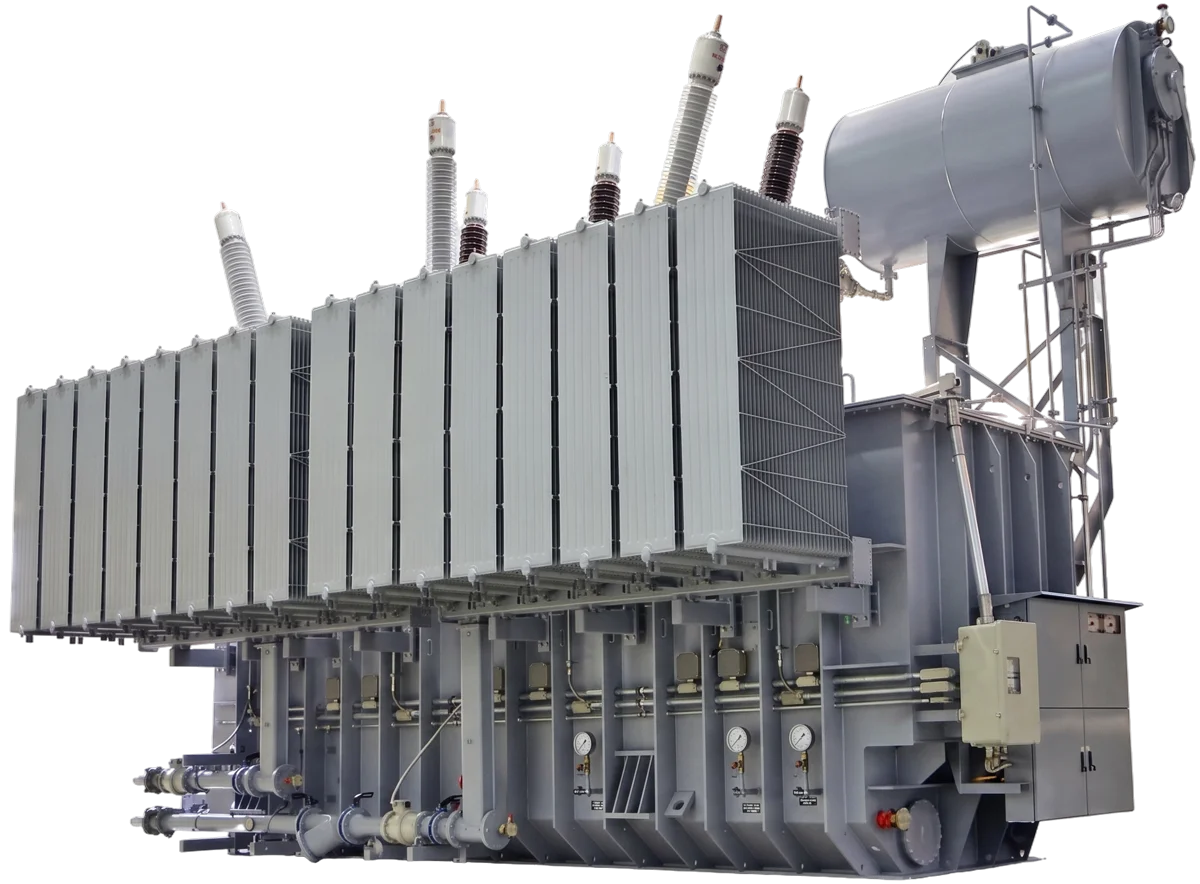
Raising generator output to transmission voltage, built for thermal, nuclear, hydro, and utility-scale renewable sites.
 Buy American & BABA Compliant
 Certified to IEEE, ANSI & NEMA Standards
 Backed by 25 Years in the Industry
Technical Specifications
| Category | Specification |
|---|---|
| Capacity Range | 20–600 MVA |
| Phases | Single-phase and three-phase |
| LV Winding (Generator Side) | Up to 35 kV |
| HV Winding (Grid Side) | 115 kV, 138 kV, 230 kV, 345 kV, 500 kV, 525 kV classes |
| LV Winding Configuration | Delta (wind/solar standard); Wye (gas/nuclear available) |
| Tap Changer | De-Energized (DETC) standard; On-Load (OLTC) available |
| Cooling Methods | ONAN / ONAF / OFAF (specified per load profile) |
| Winding Material | High-conductivity copper (standard) |
| Insulation Medium | Liquid-immersed mineral oil |
| Standards | IEEE C57.12.00, IEEE C57.12.10, IEEE C57.12.90, ANSI |
| IRA Eligibility | Domestic content compliant; eligible for IRA §48 bonus credits |
| Compliance | Buy American Act (BAA), BABA, §303 Defense Production Act |
| Factory Testing | IEEE C57.12.90 routine and type tests; full test report included |
| Lead Time | 48 to 72 weeks |
| Manufacturing | United States |
LIMIK Generator Step-Up Platform
LIMIK GSU transformers are custom-engineered, liquid-immersed units designed to connect generators directly to the transmission grid. Built for wind farms, utility-scale solar, gas-fired and nuclear generation, and large data center backup power — every unit is engineered to your exact generator terminal voltage, MVA output, and grid interconnection requirement.
Available from 20 to 600 MVA with LV (generator-side) windings up to 35 kV and HV (grid-side) windings at 115 kV, 138 kV, 230 kV, 345 kV, 500 kV, and 525 kV classes. Delta LV winding configurations standard on wind and solar applications; wye configurations available for gas and nuclear units.
All units designed to IEEE C57.12.00 and IEEE C57.12.10 with full ANSI compliance. Factory-tested to IEEE C57.12.90. IRA-eligible under domestic content requirements. Buy American Act (BAA), BABA, and §303 Defense Production Act compliant on every order. Typical lead time: 48 to 72 weeks from signed specification to shipment.
Where LIMIK GSU Transformers Are Specified
Utility-scale wind farms requiring step-up from generator terminal voltage to transmission grid — with delta LV winding standard for harmonic isolation.
Solar PV and CSP plant interconnection. Delta LV winding for ground fault protection and harmonic isolation in variable-output generation environments.
Combined-cycle gas turbines, peaker plants, and nuclear generation facilities requiring direct grid interconnection at 115 kV through 525 kV.
What Sets LIMIK GSU Units Apart
LV winding matched to your generator terminal voltage — up to 35 kV. HV winding engineered to your grid interconnection point: 115 kV through 525 kV.
Delta-connected LV winding standard on renewable applications for harmonic isolation and ground fault protection. Wye-connected LV available for gas-fired and conventional generation.
Manufactured in the United States and eligible for IRA domestic content bonus credits under 26 U.S.C. §48. Documentation provided for project compliance filings.
Satisfies BAA, BABA, and Berry Amendment requirements. Eligible for DOD/DOE direct procurement under §303 Defense Production Act.

Other Transformers
We Build
Request a Quote
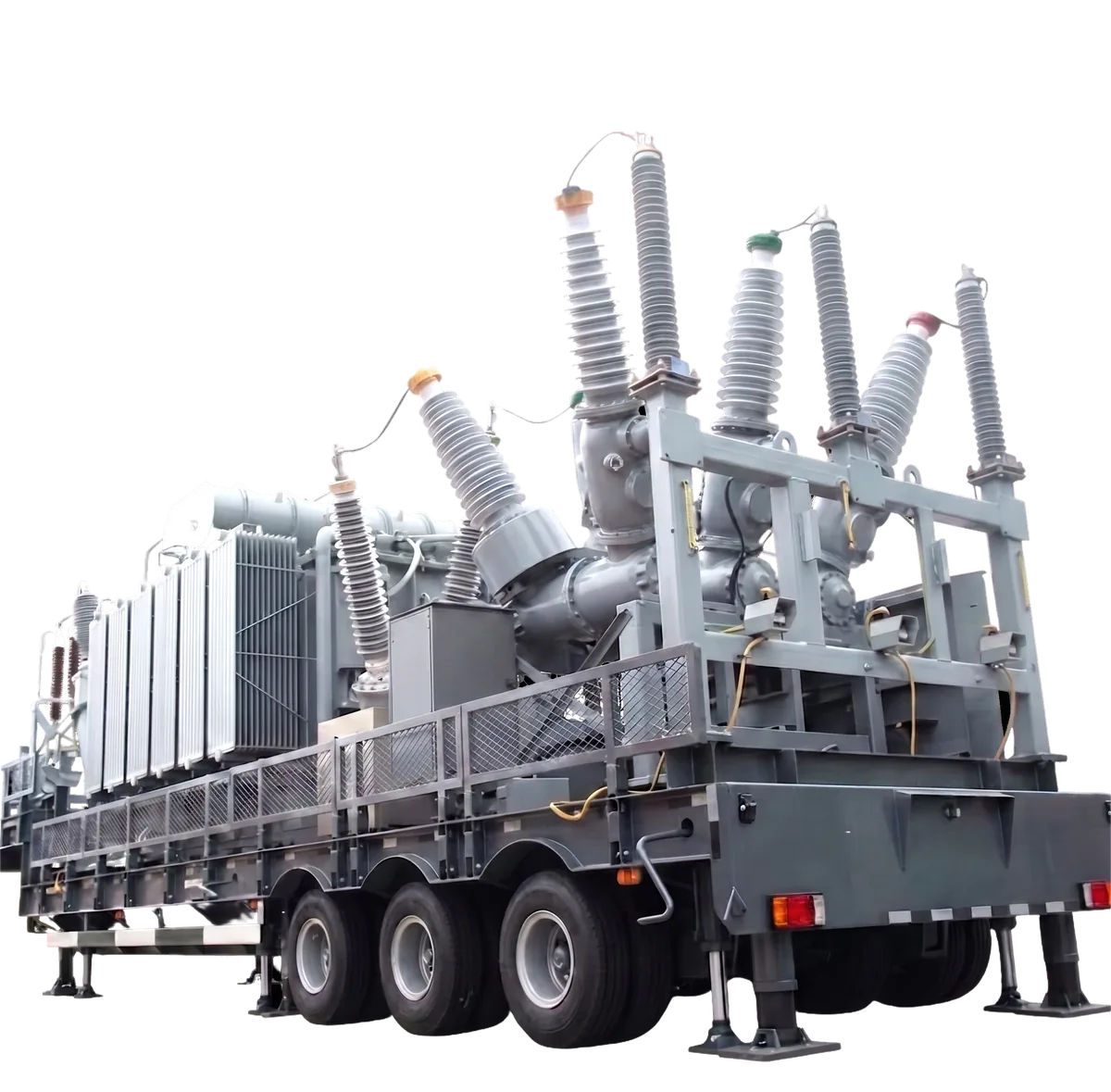
Compare LIMIK Transformer Types
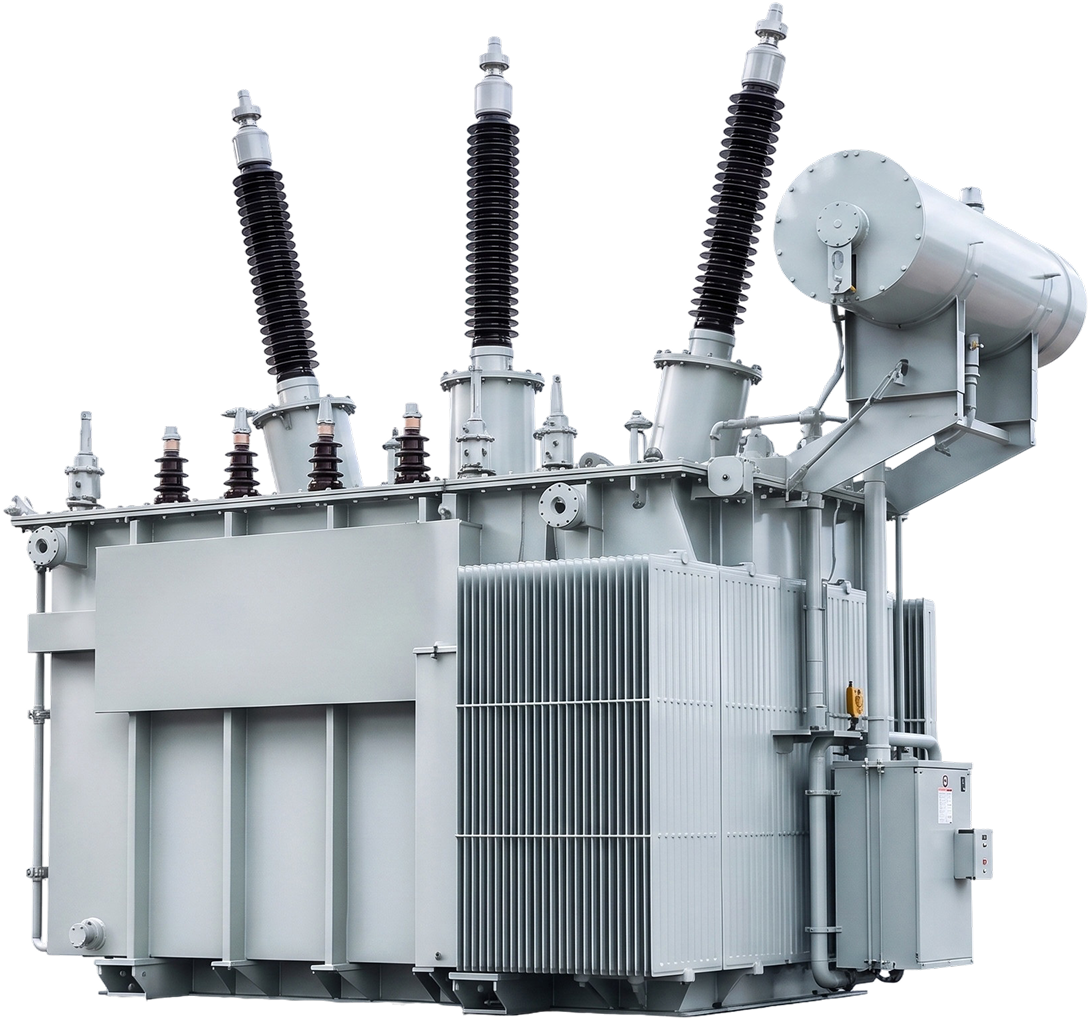
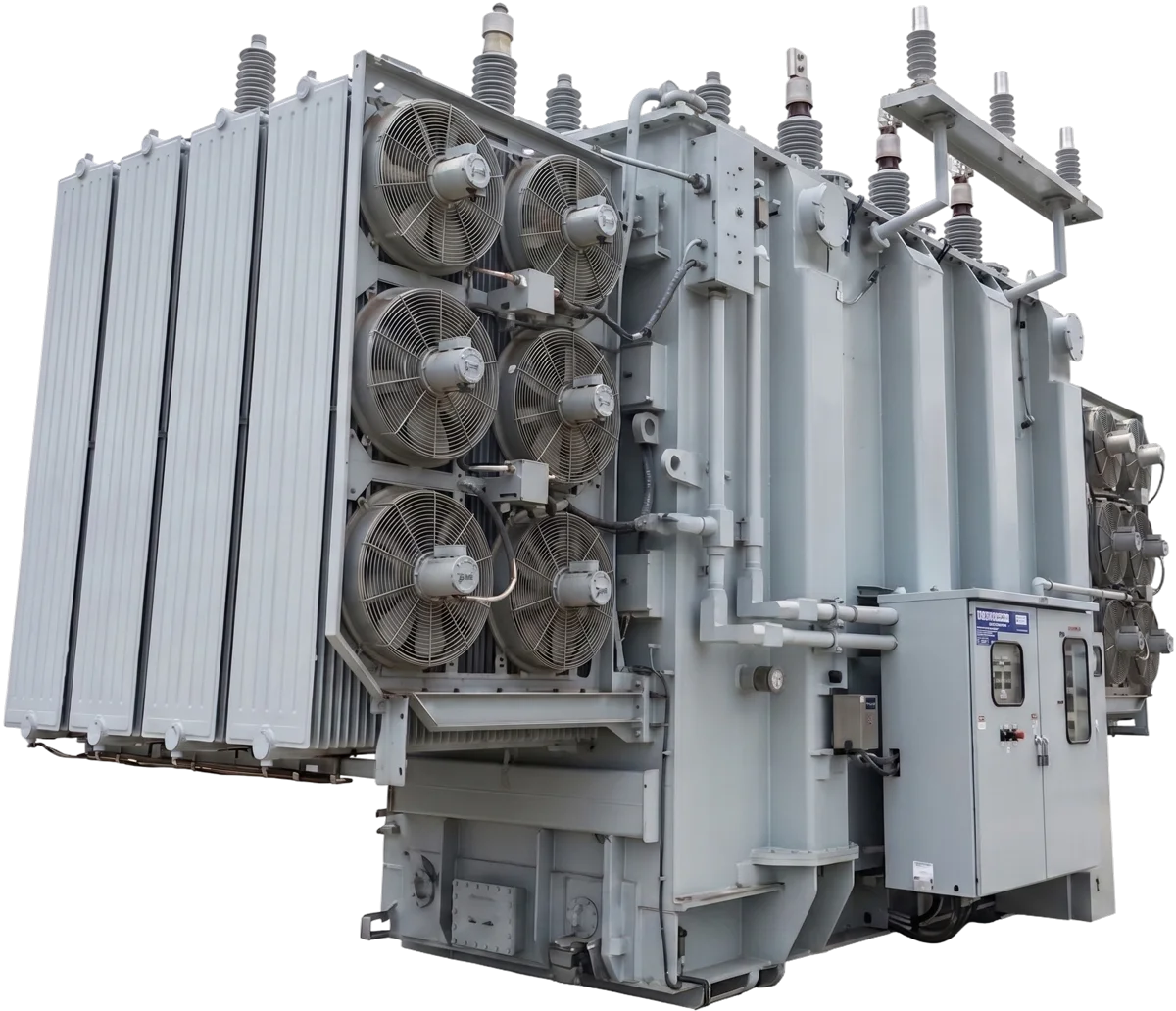
Same engineering standards, testing, and Buy American compliance across every LIMIK platform — the difference is capacity, voltage class, and application.
|
|
 |
 |
|
|---|---|---|---|
| Capacity Range | 20–600 MVA | 20–600 MVA | Up to 600 MVA |
| HV Rating | Up to 525 kV | Up to 525 kV | Up to 525 kV |
| LV Rating | Up to 35 kV | Up to 69 kV | Up to 345 kV |
| Phases | Single-phase and three-phase | Single-phase and three-phase | Single-phase and three-phase |
| Tap Changer | DETC standard; OLTC available | OLTC standard; DETC available | OLTC standard; DETC available |
| Cooling Methods | ONAN / ONAF / OFAF | ONAN / ONAF / OFAF | ONAN / ONAF / OFAF |
| Standards | IEEE C57.12.00/.10/.90, ANSI | IEEE C57.12.00/.10/.90, ANSI, NEMA | IEEE C57.12.00/.10/.90, ANSI, NEMA |
| Compliance | BAA, BABA, §303 DPA | BAA, BABA, §303 DPA | BAA, BABA, §303 DPA |
| Factory Testing | IEEE C57.12.90 | IEEE C57.12.90 | IEEE C57.12.90 |
| Lead Time | 48–72 weeks | 48–72 weeks | 48–72 weeks |
| Primary Application | Generator-to-grid interconnection | Utility substations, transmission interconnection | Bulk EHV transmission interconnection |
| Details | Details |
Power Starts Here
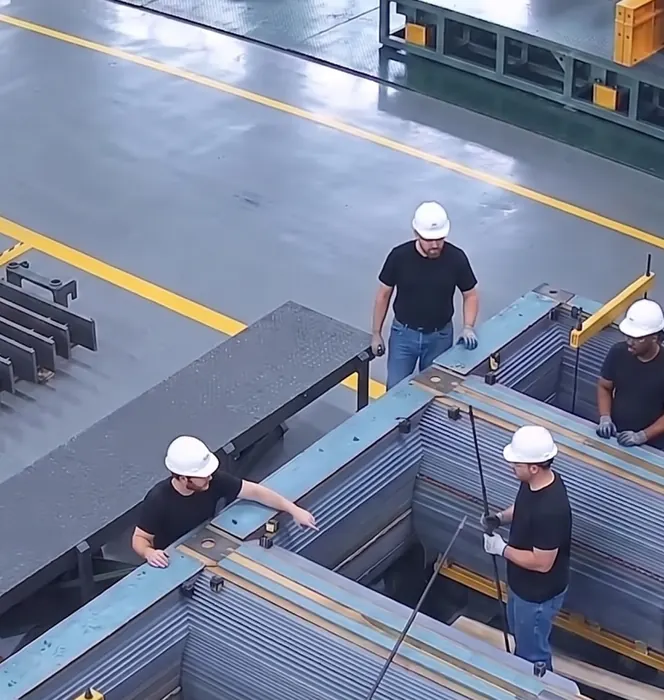
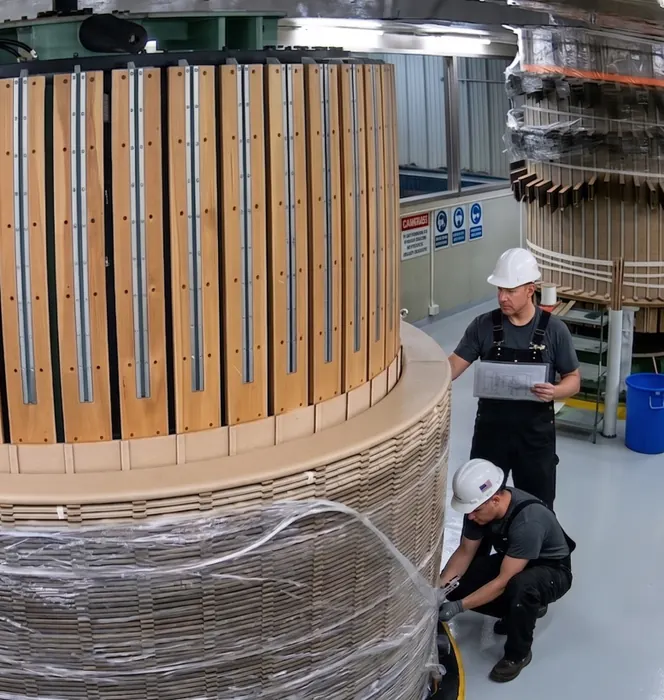
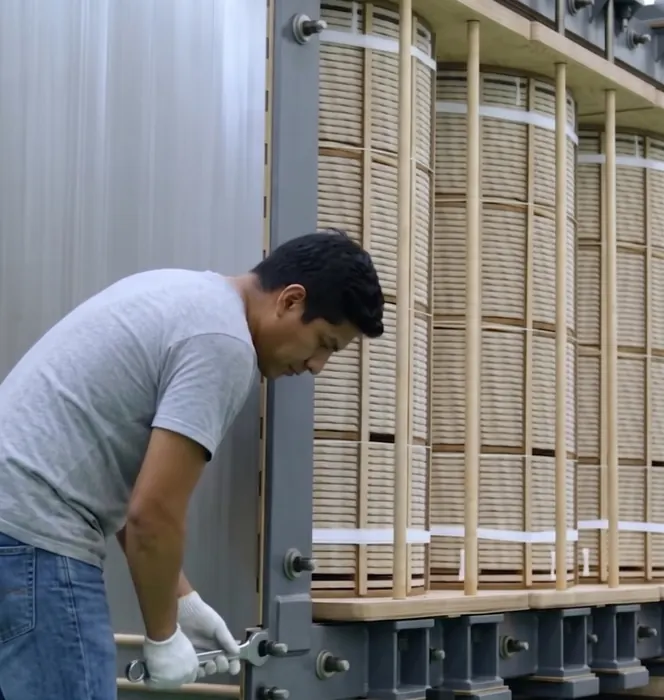
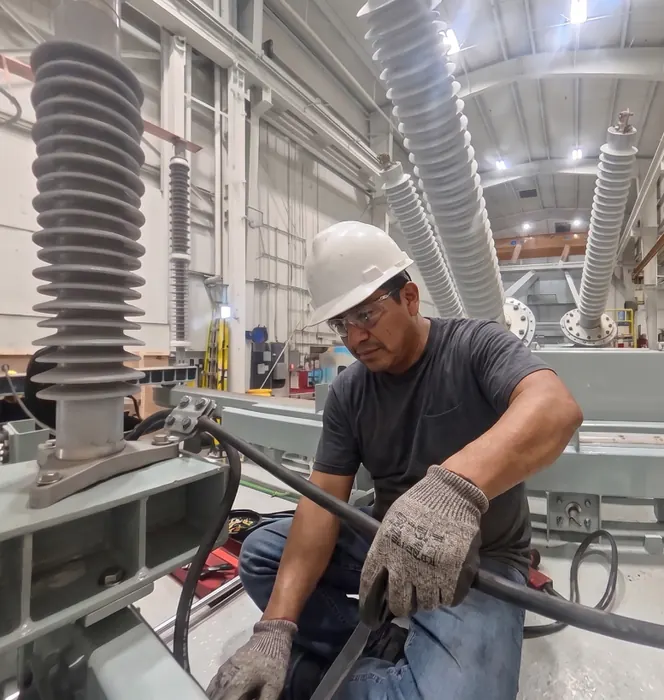
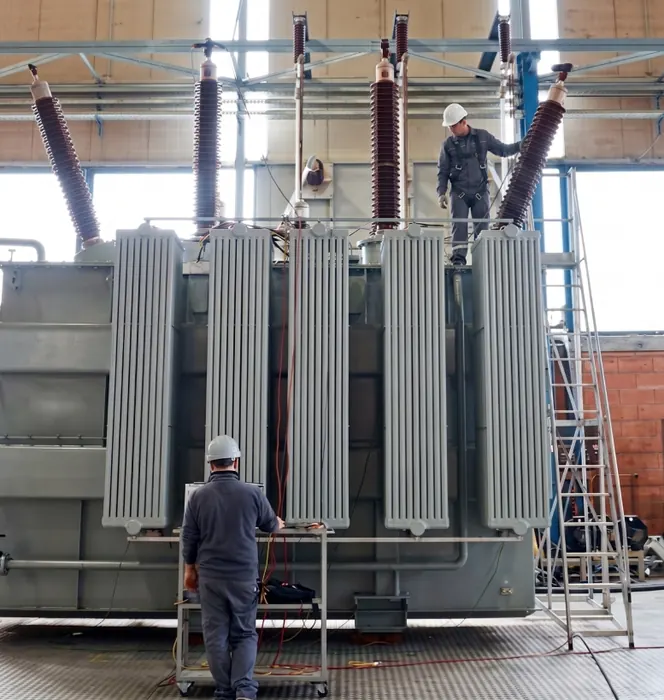
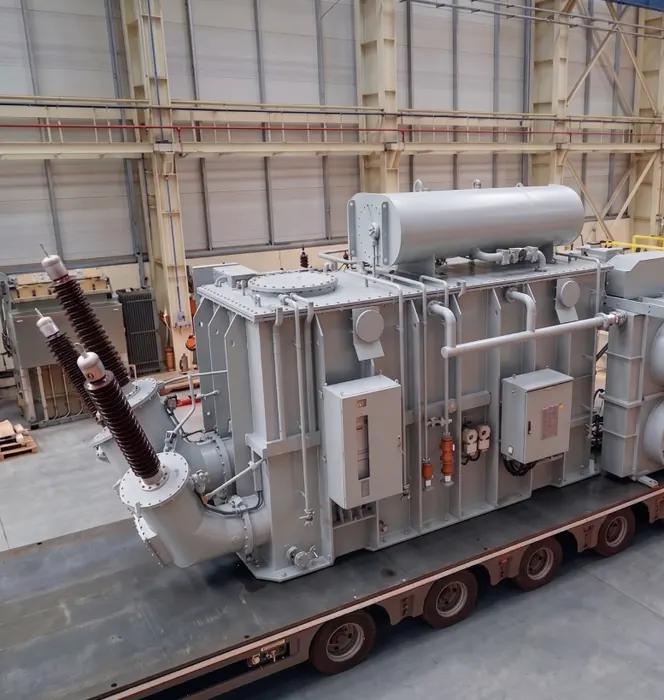
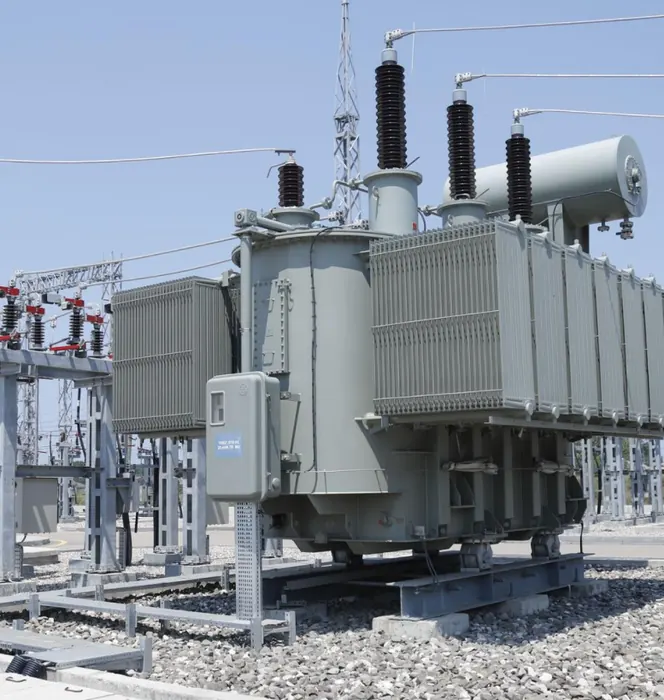
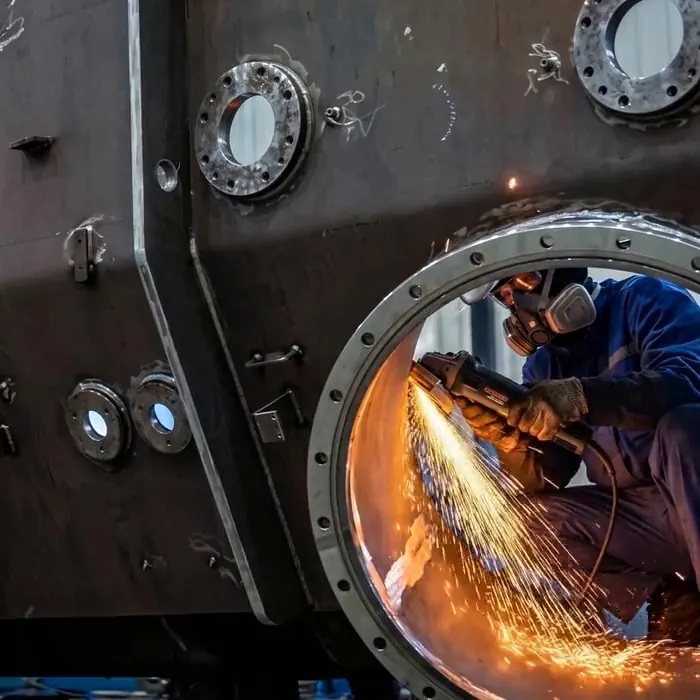
What starts as raw steel and copper becomes the machine that carries power across an entire region. Every weld, every winding, every test is done by people who know exactly what they're building and why it matters.
Three Reasons We're Different

25 Years of Engineering
LIMIK has designed and delivered large power transformers for utilities, power producers, and EPC contractors. Every project starts with your specification — not our catalog.

Made in the USA
Every transformer is designed, engineered, and built on American soil. That means Buy American compliance by default — and a supply chain you can actually track.

48 Weeks. Not 4 Years
While overseas suppliers quote 2–4 year lead times, LIMIK delivers in 48 weeks. When your project schedule is at stake, that difference is everything.
Generator Step-Up Transformers, Explained
Answering the questions we hear most — from technical specification and testing to compliance, delivery, and procurement. Everything you need before you submit an RFQ.
Contact UsA generator already regulates its own terminal voltage through its automatic voltage regulator (AVR) and excitation system, which typically covers a ±5% range in real time. That's usually enough to handle normal grid conditions without the GSU needing to adjust taps under load. A DETC still lets you re-tap the unit during planned outages — to correct for seasonal grid voltage shifts or as the generator ages — just not while it's running. If your project's grid interconnection agreement calls for continuous on-load regulation from the transformer itself, OLTC is available as a specified option.
A delta-connected LV winding on the generator side suppresses third-harmonic currents at the source and prevents ground faults on the generator side from propagating onto the transmission network — both matter more on inverter-based wind and solar output, which carries more harmonic content than a synchronous gas or nuclear generator. The HV side stays wye-connected either way, since that's what allows effective grounding at the transmission voltage. Gas and nuclear plants, running synchronous generators with cleaner output, have more flexibility to use wye on the LV side when the plant's grounding design calls for it.
A GSU steps the generator's output up to transmission voltage and sends it to the grid. A UAT does the opposite job at a smaller scale — it steps power down from the generator bus to supply the plant's own auxiliary loads: pumps, fans, control systems, and station lighting. They're both present in most generating plants, but they're different transformers doing different jobs. LIMIK's GSU line is built for the step-up interconnection; if your project's auxiliary supply is part of the scope, talk to our engineering team about what that requires.
Yes — a GSU interconnecting a battery storage facility to the grid is engineered the same way as one serving generation, matched to the site's inverter output characteristics. Standalone storage has been independently eligible for the federal investment tax credit under IRA since the 2022 changes, separate from whether it's charged by a co-located renewable asset. LIMIK's domestic-content documentation is prepared the same way regardless of the generation type behind it — but IRA eligibility depends on your specific project structure, so confirm the details with your tax advisor before relying on it in a financial model.
Manufacturing and domestic-content records showing your unit qualifies under IRA §48 domestic content requirements, prepared alongside your standard factory test report. Exact documentation needs vary by project and by how your tax counsel is structuring the credit claim — our team coordinates directly with your compliance team to make sure what we provide matches what your filing requires.
No — they solve different problems. A GSU connects a generator to the grid and needs the electrical isolation a two-winding design provides, since a fault on one side shouldn't propagate straight to the other. An autotransformer links two transmission-level voltages that are already part of the same grounded network, where that isolation isn't required — which is why it can use a shared winding for higher efficiency. If your project is transmission-to-transmission rather than generator-to-grid, see our Autotransformers page instead.
Ready to Power Your
Next Project?
Transformers