Auto
transformers
Where two transmission voltages meet, our autotransformers carry the load — built for regional operators and federal energy infrastructure.
 Buy American & BABA Compliant
 Certified to IEEE, ANSI & NEMA Standards
 Backed by 25 Years in the Industry
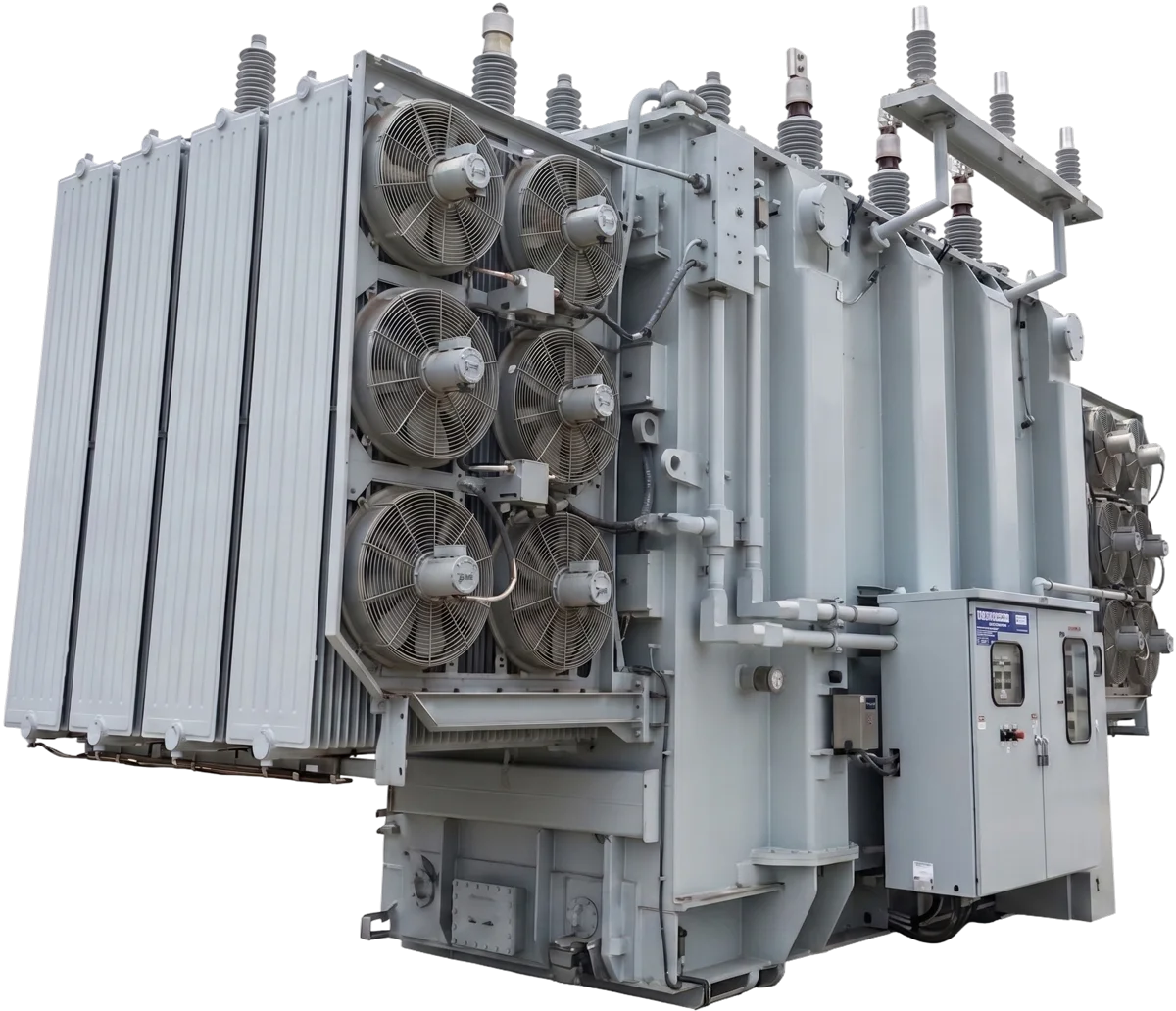
Technical Specifications
| Category | Specification |
|---|---|
| Capacity Range | Up to 600 MVA |
| Phases | Single-phase and three-phase |
| HV Winding Voltage | Up to 525 kV |
| LV (Series) Winding | Up to 345 kV |
| Tertiary Winding | Delta-connected; available for reactive compensation and auxiliary supply |
| Typical Configurations | 345/500 kV, 230/345 kV, 138/230 kV, 115/230 kV |
| Tap Changer | On-Load Tap Changer (OLTC) standard; De-Energized (DETC) available |
| Neutral Grounding | Solidly grounded standard; NGR provisions available |
| Cooling Methods | ONAN / ONAF / OFAF (specified per load profile) |
| Winding Material | High-conductivity copper (standard) |
| Insulation Medium | Liquid-immersed mineral oil |
| Standards | IEEE C57.12.00, IEEE C57.12.10, IEEE C57.12.90, ANSI, NEMA |
| Compliance | Buy American Act (BAA), BABA, §303 Defense Production Act |
| Factory Testing | IEEE C57.12.90 routine and type tests; full test report included |
| Lead Time | 48 to 72 weeks |
| Manufacturing | United States |
LIMIK Autotransformer Platform
LIMIK autotransformers are custom-engineered, liquid-immersed units designed for bulk transmission interconnection between EHV voltage levels. Built on a shared series/common winding architecture, they deliver higher efficiency and lower losses compared to two-winding designs — making them the preferred choice for 345/500 kV, 230/345 kV, and 115/230 kV interconnections across transmission networks.
Available up to 600 MVA at HV classes up to 525 kV and LV classes up to 345 kV — every unit is engineered to your specification. Neutral grounding, tertiary winding configurations, and reactive compensation arrangements are integrated at the design stage.
All units designed to IEEE C57.12.00 and IEEE C57.12.10 with on-load tap changers standard on transmission-class units. Factory-tested to IEEE C57.12.90. Buy American Act (BAA), BABA, and §303 Defense Production Act compliant on every order. Typical lead time: 48 to 72 weeks from signed specification to shipment.
Where LIMIK Autotransformers Are Specified
Interconnecting 345 kV, 500 kV, and 525 kV systems across regional transmission networks — PJM, MISO, SPP, WECC, and SERC.
Step-up and step-down between EHV voltage levels: 115/230 kV, 138/230 kV, 230/345 kV, and 345/500 kV configurations.
New substation builds and capacity expansions requiring bulk EHV interconnection with tertiary winding provisions for reactive compensation.
Mission-critical EHV interconnection for DOD and DOE installations. §303 Defense Production Act and Berry Amendment compliant.
What Sets LIMIK Autotransformers Apart
Autotransformer topology reduces copper and core losses versus equivalent two-winding units — resulting in lower lifecycle operating costs for high-capacity interconnection projects.
Delta-connected tertiary winding available for reactive compensation (capacitor banks, reactors), harmonic suppression, and station auxiliary power supply.
On-load tap changer standard for continuous voltage regulation under load. De-energized tap changer (DETC) available where specified.
Satisfies BAA, BABA, and Berry Amendment requirements. Eligible for DOD/DOE direct procurement under §303 Defense Production Act.

Other Transformers
We Build
Request a Quote
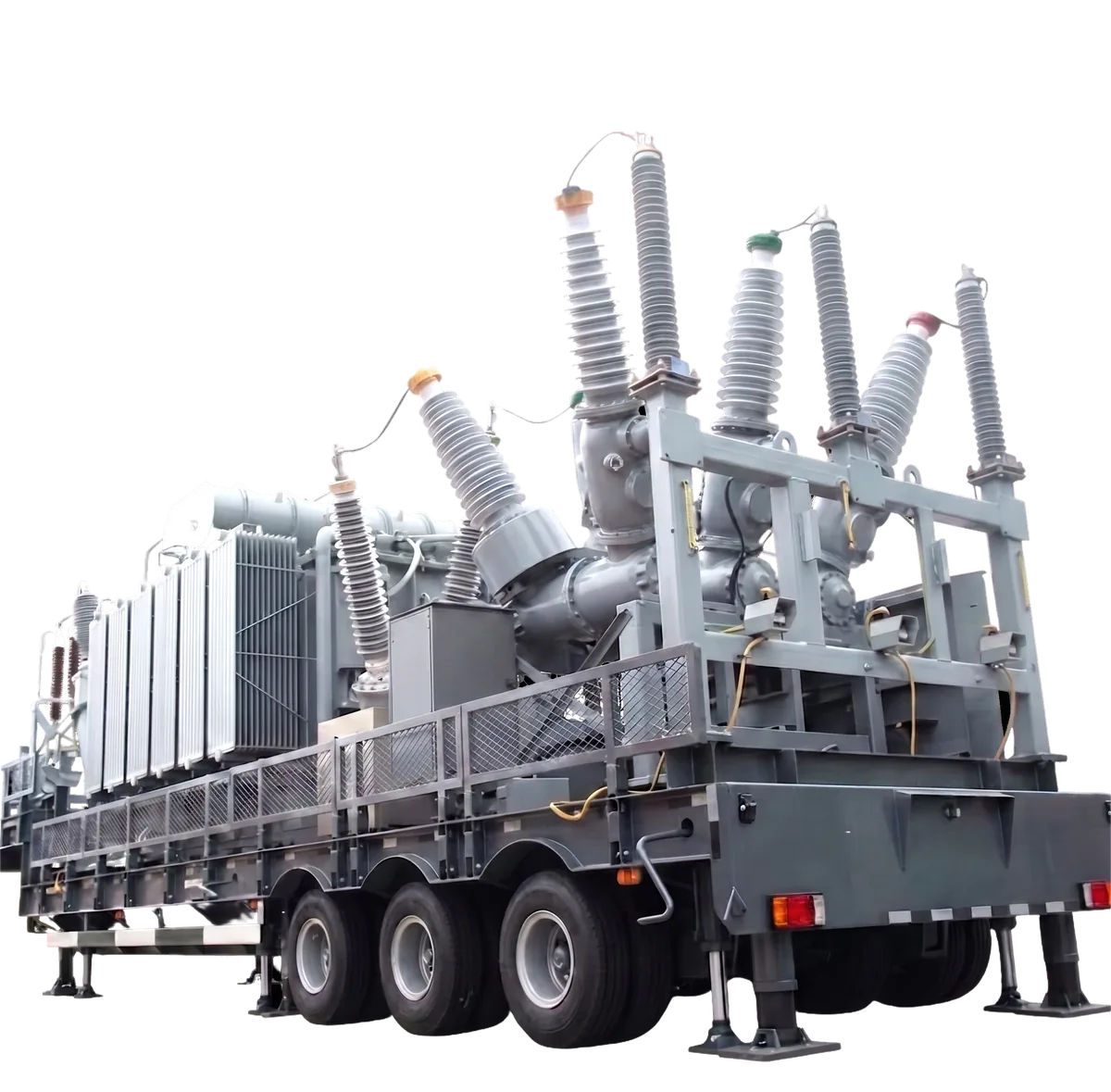
Compare LIMIK Transformer Types
Same engineering standards, testing, and Buy American compliance across every LIMIK platform — the difference is capacity, voltage class, and application.
|
|
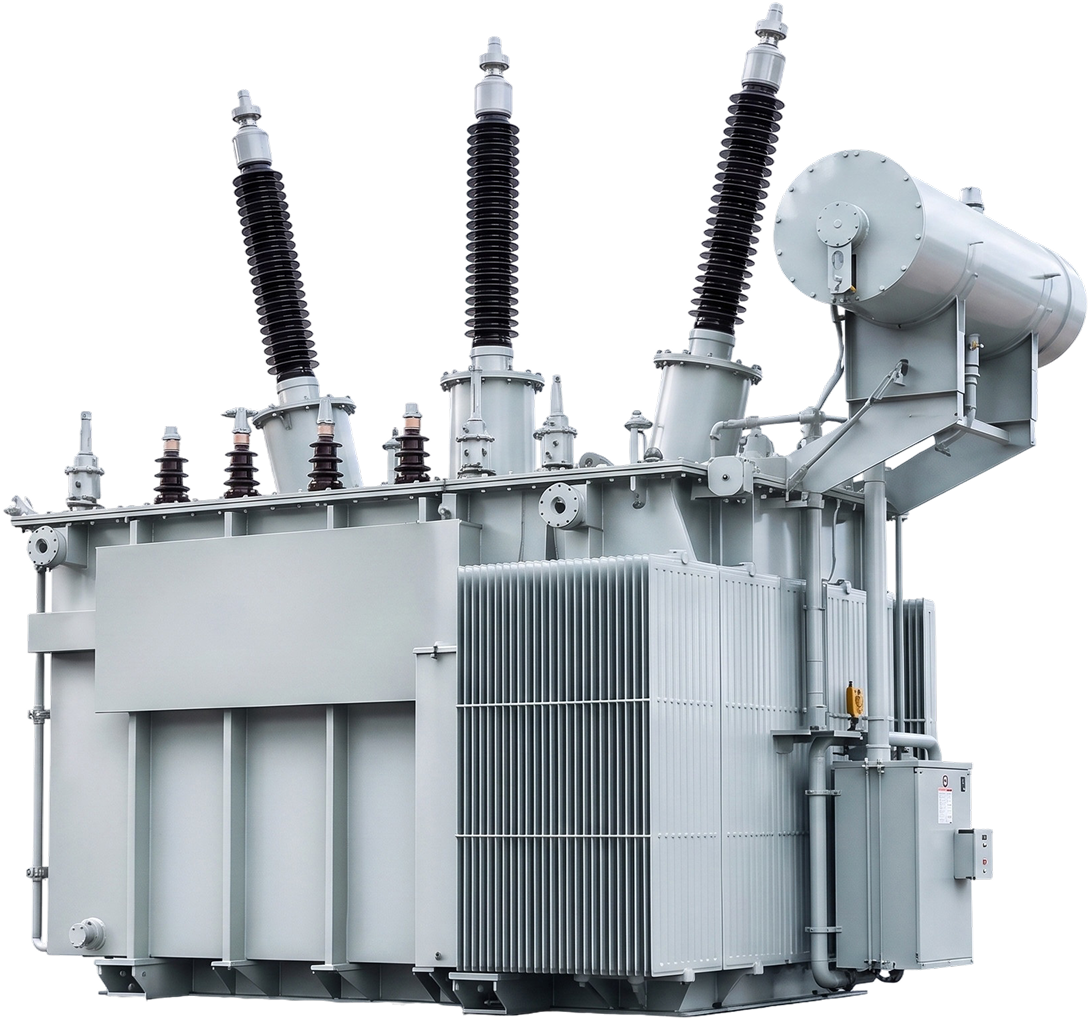 |
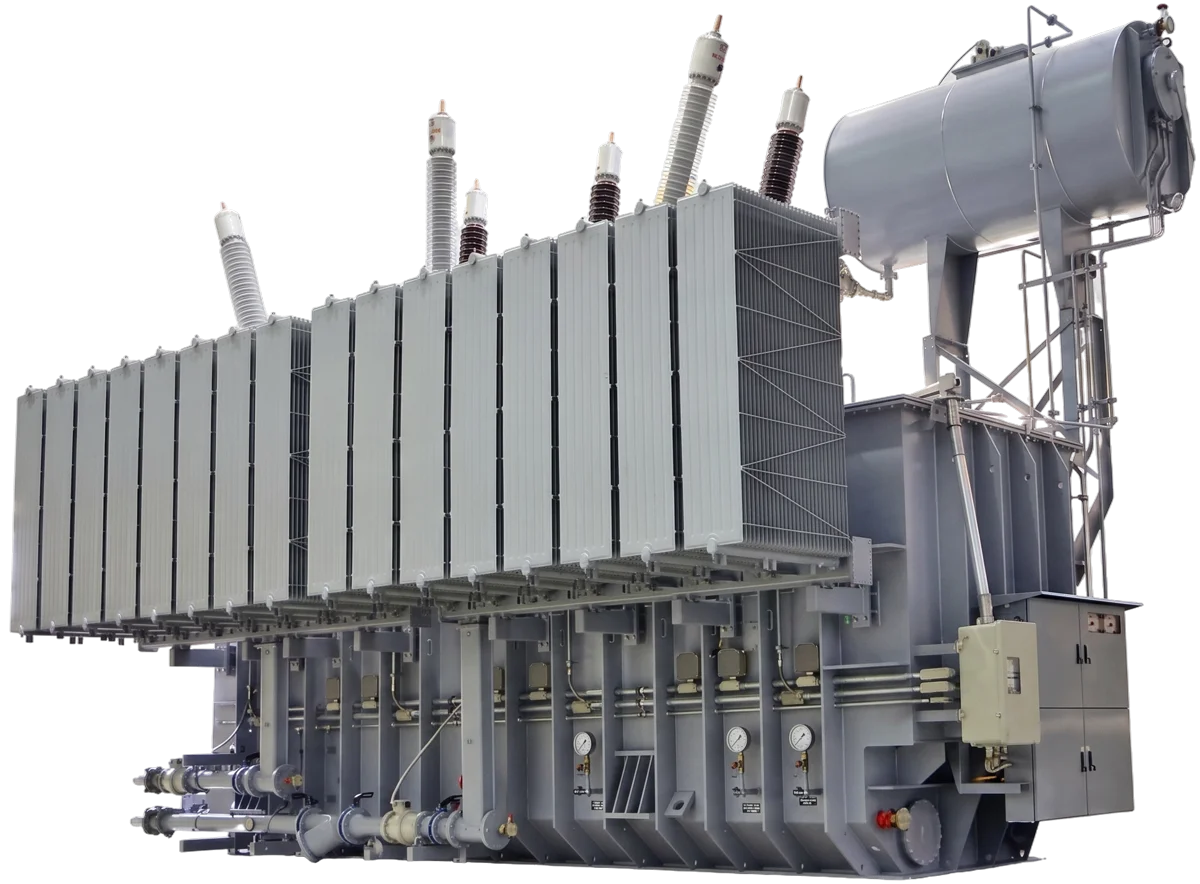 |
|
|---|---|---|---|
| Capacity Range | Up to 600 MVA | 20–600 MVA | 20–600 MVA |
| HV Rating | Up to 525 kV | Up to 525 kV | Up to 525 kV |
| LV Rating | Up to 345 kV | Up to 69 kV | Up to 35 kV |
| Phases | Single-phase and three-phase | Single-phase and three-phase | Single-phase and three-phase |
| Tap Changer | OLTC standard; DETC available | OLTC standard; DETC available | DETC standard; OLTC available |
| Cooling Methods | ONAN / ONAF / OFAF | ONAN / ONAF / OFAF | ONAN / ONAF / OFAF |
| Standards | IEEE C57.12.00/.10/.90, ANSI, NEMA | IEEE C57.12.00/.10/.90, ANSI, NEMA | IEEE C57.12.00/.10/.90, ANSI |
| Compliance | BAA, BABA, §303 DPA | BAA, BABA, §303 DPA | BAA, BABA, §303 DPA |
| Factory Testing | IEEE C57.12.90 | IEEE C57.12.90 | IEEE C57.12.90 |
| Lead Time | 48–72 weeks | 48–72 weeks | 48–72 weeks |
| Primary Application | Bulk EHV transmission interconnection | Utility substations, transmission interconnection | Generator-to-grid interconnection |
| Details | Details |
Power Starts Here
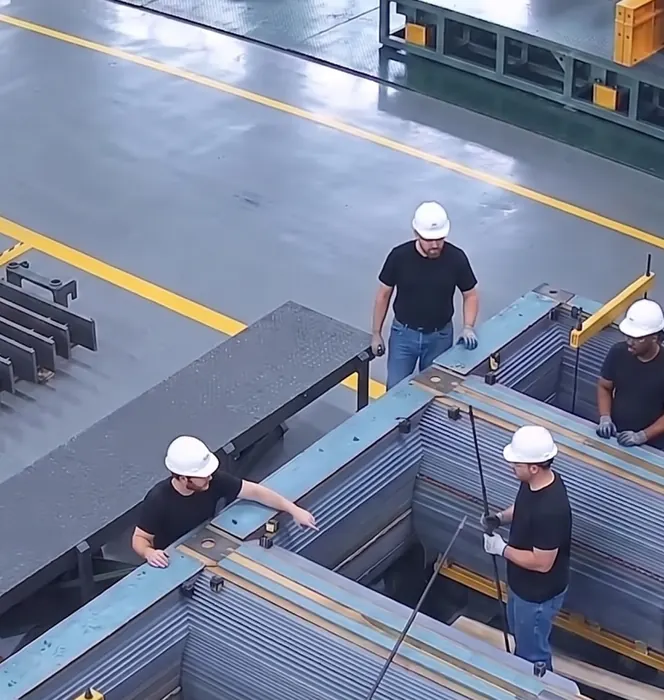
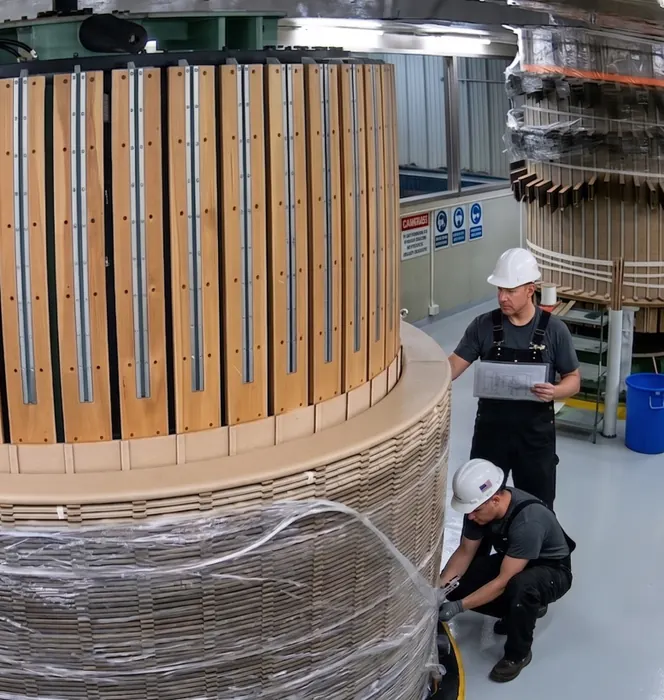
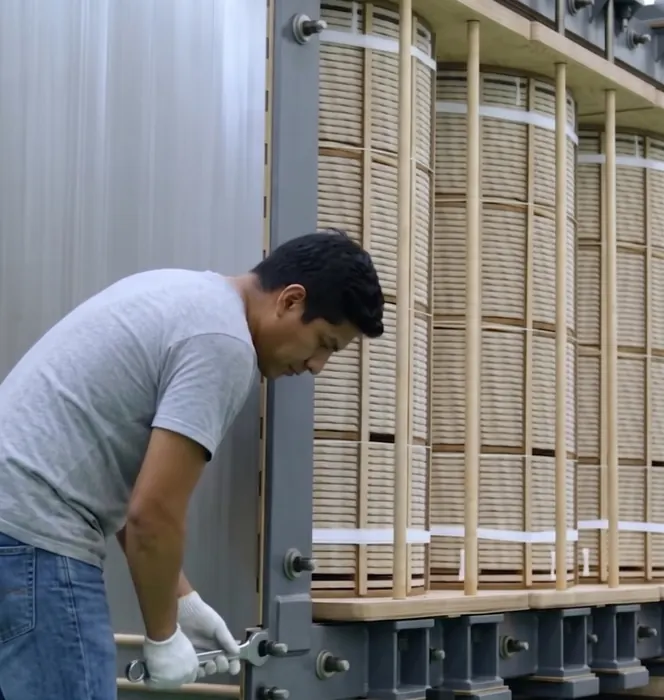
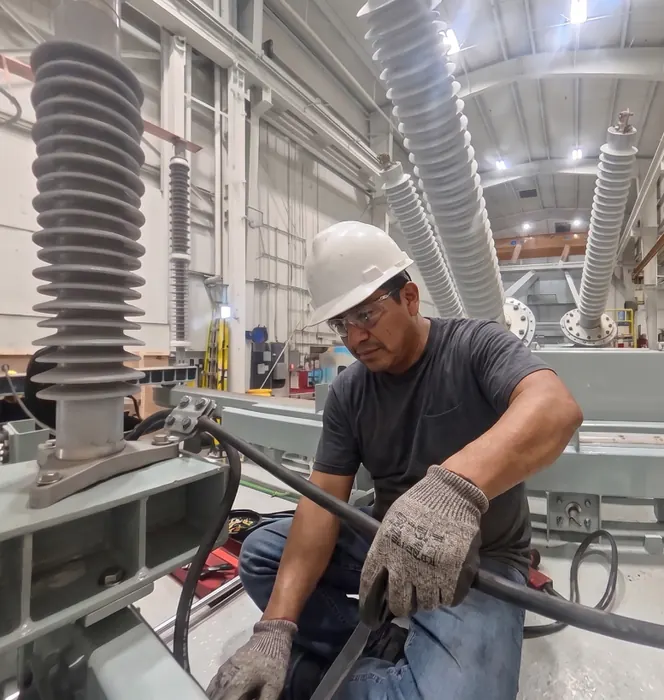
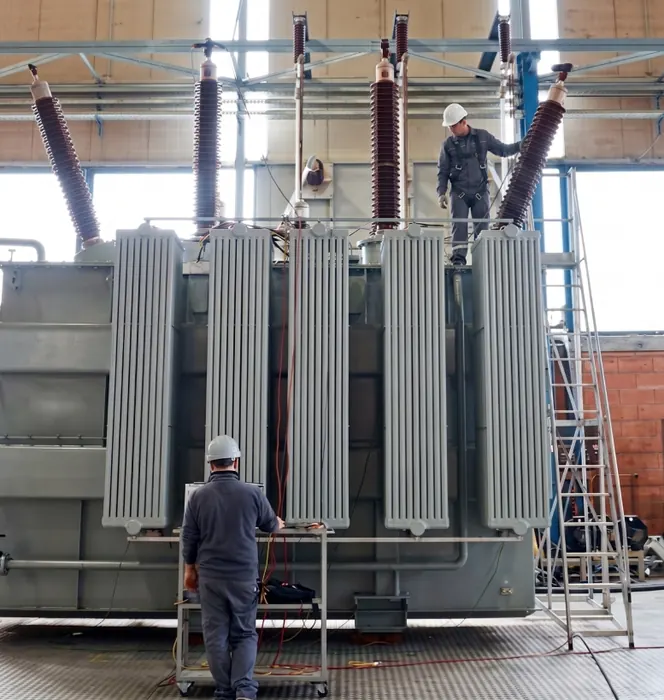
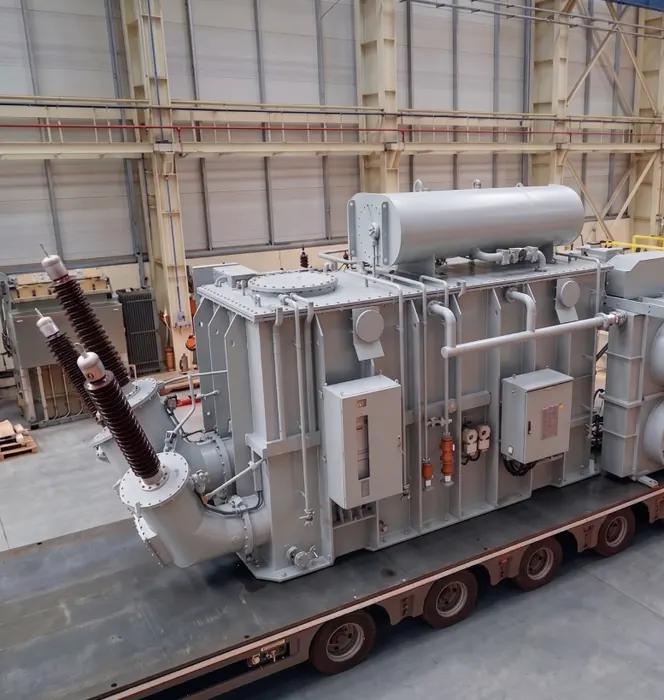
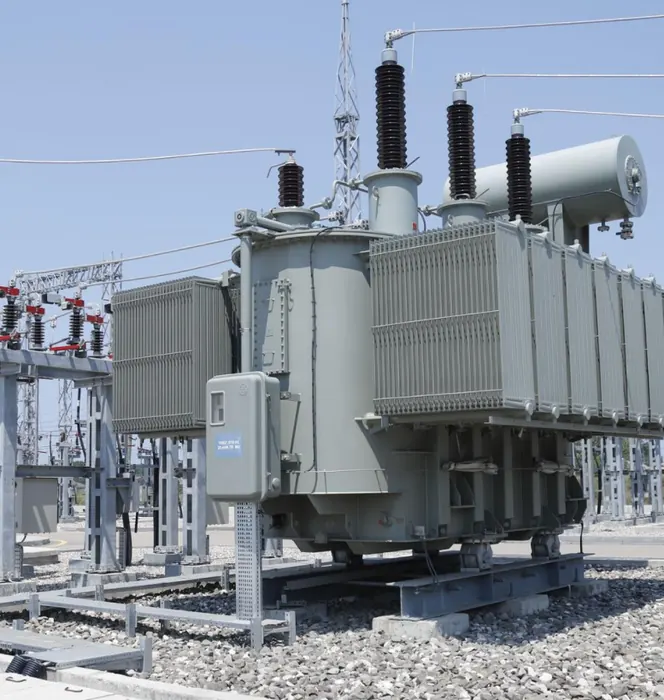
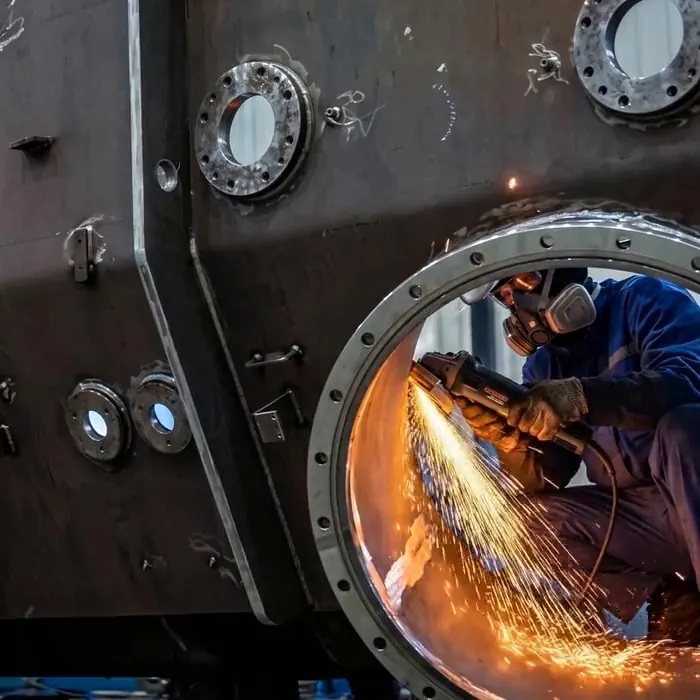
What starts as raw steel and copper becomes the machine that carries power across an entire region. Every weld, every winding, every test is done by people who know exactly what they're building and why it matters.
Three Reasons We're Different

25 Years of Engineering
LIMIK has designed and delivered large power transformers for utilities, power producers, and EPC contractors. Every project starts with your specification — not our catalog.

Made in the USA
Every transformer is designed, engineered, and built on American soil. That means Buy American compliance by default — and a supply chain you can actually track.

48 Weeks. Not 4 Years
While overseas suppliers quote 2–4 year lead times, LIMIK delivers in 48 weeks. When your project schedule is at stake, that difference is everything.
Autotransformers, Explained
Answering the questions we hear most — from technical specification and testing to compliance, delivery, and procurement. Everything you need before you submit an RFQ.
Contact UsAn autotransformer shares part of its winding between the primary and secondary circuits, while a two-winding transformer keeps them fully separate. That shared winding is why autotransformers run more efficiently and cost less at high MVA — but it also means they don't provide galvanic isolation between the HV and LV sides. For transmission interconnection, where both sides are already part of the same grounded network, that trade-off works in your favor. See our Power Transformers page for the fully isolated alternative.
Not typically. A GSU sits between a generator and the grid, and that interface usually calls for the full electrical isolation a two-winding design provides — it keeps a fault on one side from propagating directly to the other. LIMIK autotransformers are engineered for transmission-to-transmission interconnection, not generator interconnection. For generation applications, see our Generator Step-Up Transformers page.
It depends on your substation design. A tertiary winding is typically added when you need to supply station auxiliary loads at a third voltage, connect reactive compensation equipment (capacitor banks or reactors), or suppress harmonics from an otherwise wye-wye connected unit. If your interconnection doesn't call for any of those, a two-winding autotransformer without a tertiary is a simpler, lower-cost specification. Our engineering team can confirm which configuration your system needs.
Solid grounding is the standard configuration and keeps ground-fault currents at their natural magnitude, which most transmission protection schemes are built around. An NGR limits that fault current — used where a specific protection coordination study calls for a reduced ground-fault magnitude, or where equipment on the connected system has a lower fault-current withstand rating. This is a system-level decision made with your protection engineer, not a default choice.
No — LIMIK's autotransformer line is built for transmission voltage interconnection, not for controlling power flow direction between parallel paths, which is what a phase-shifting transformer does. If your project needs power-flow control rather than voltage-class bridging, that's a different unit type outside our current product line.
345/500 kV, 230/345 kV, 138/230 kV, and 115/230 kV cover most of the interconnections we're asked to engineer, but the unit is built to your actual system voltages, not a preset list. If your combination isn't listed, request a quote and our engineering team will confirm feasibility.
The same range applies across Power Transformers, Autotransformers, and Generator Step-Up units — all are engineered and built at the same class of manufacturing complexity. The clock starts once your specification is finalized. See the full comparison of LIMIK transformer types for how the three platforms line up side by side.
Ready to Power Your
Next Project?
transformers