Mobile Substations &
Transformers
A complete substation on a single trailer — for outages, upgrades, and grid expansion — engineered to your specification and delivered in 43 to 52 weeks.
 Buy American & BABA Compliant
 Certified to IEEE, ANSI & NEMA Standards
 Backed by 25 Years in the Industry
Technical Specifications
| Category | Specification |
|---|---|
| Capacity Range | Up to 100 MVA |
| HV Winding Voltage | Up to 230 kV |
| LV Winding Voltage | Up to 69 kV |
| Phases | Single-phase and three-phase |
| Tap Changer | On-Load Tap Changer (OLTC) available |
| Cooling Methods | ONAN / ONAF (specified per load profile) |
| Winding Material | High-conductivity copper (standard) |
| Insulation Medium | Liquid-immersed mineral oil |
| Mounting | Semi-trailer or skid-mounted |
| Integration | Transformer, switchgear, protection & controls — fully integrated |
| Standards | IEEE C57, ANSI, NEMA |
| Compliance | Buy American Act (BAA), BABA, §303 Defense Production Act |
| Factory Testing | IEEE C57.12.90 routine and type tests; full test report included |
| Lead Time | 43–52 weeks |
| Manufacturing | United States |
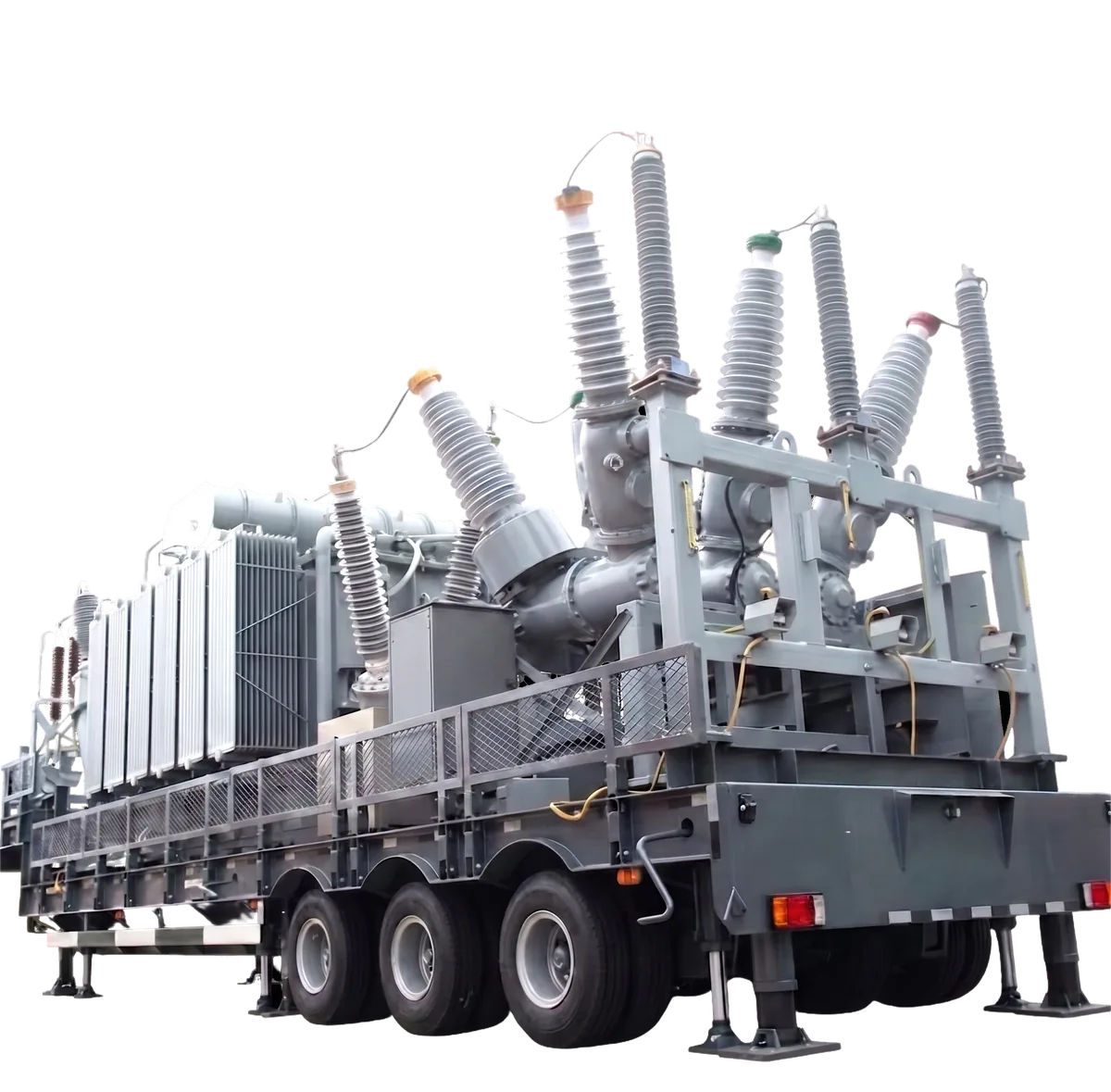
The LIMIK Mobile Platform
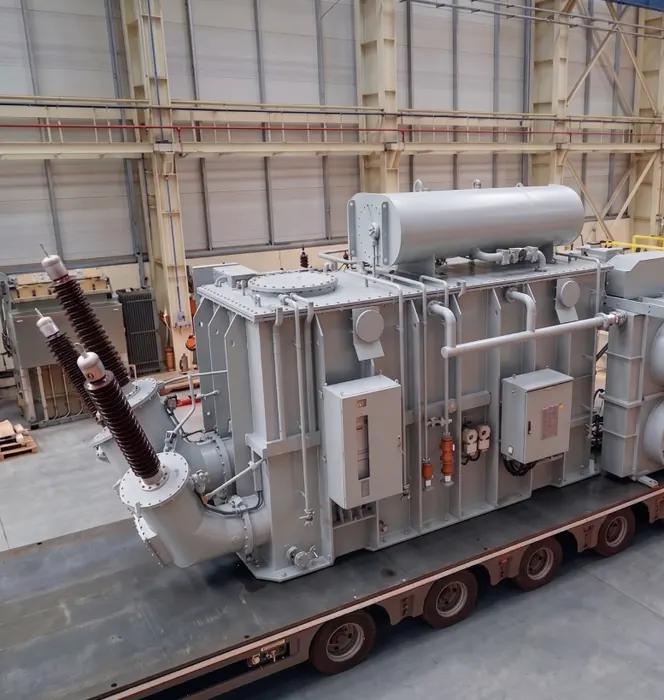
A LIMIK mobile substation is a complete, transportable substation on a single trailer: power transformer, high- and low-voltage switchgear, protection relays, and controls — integrated, tested, and ready to energize on arrival. Where a fixed substation takes months to build, a mobile unit restores power in days.
Every unit is engineered to your system — voltage class, MVA rating, protection scheme, and trailer configuration — and built to move. Size and weight are optimized against road restrictions without compromising the robustness the grid demands. Each mobile is factory-tested to IEEE C57.12.90 before it ships.
Need the transformer alone? LIMIK also supplies mobile power transformers — the transformer unit on its own, for utilities that already have switchgear and controls in place. A mobile substation is a turnkey system; a mobile transformer is a single component. We build both, to your specification.
Where LIMIK Mobiles Are Specified
Rapid replacement when a substation transformer fails. Restore service in days while the permanent unit is repaired or replaced.
Keep the load online during substation maintenance, refurbishment, or capacity upgrades — no interruption to customers.
Provide temporary service while a new substation is built, or bridge capacity as load grows and renewables come online.
Deployable power for storm recovery, grid emergencies, and mission-critical DOD and DOE sites. §303 Defense Production Act compliant.
What Sets LIMIK Mobiles Apart
No layers between you and the people building your unit. Your project is designed, tested, and supported by the same engineering team from first drawing to energization.
Factory-tested to IEEE C57.12.90 before it ships, with a complete test report included — so you know exactly what's arriving before it does.
Trailer configuration is engineered against the specific road and bridge restrictions of your delivery route — not a generic transport spec.
High-conductivity copper windings standard. Buy American, BABA, and §303 DPA compliant on every unit.

Other Transformers
We Build
Request a Quote
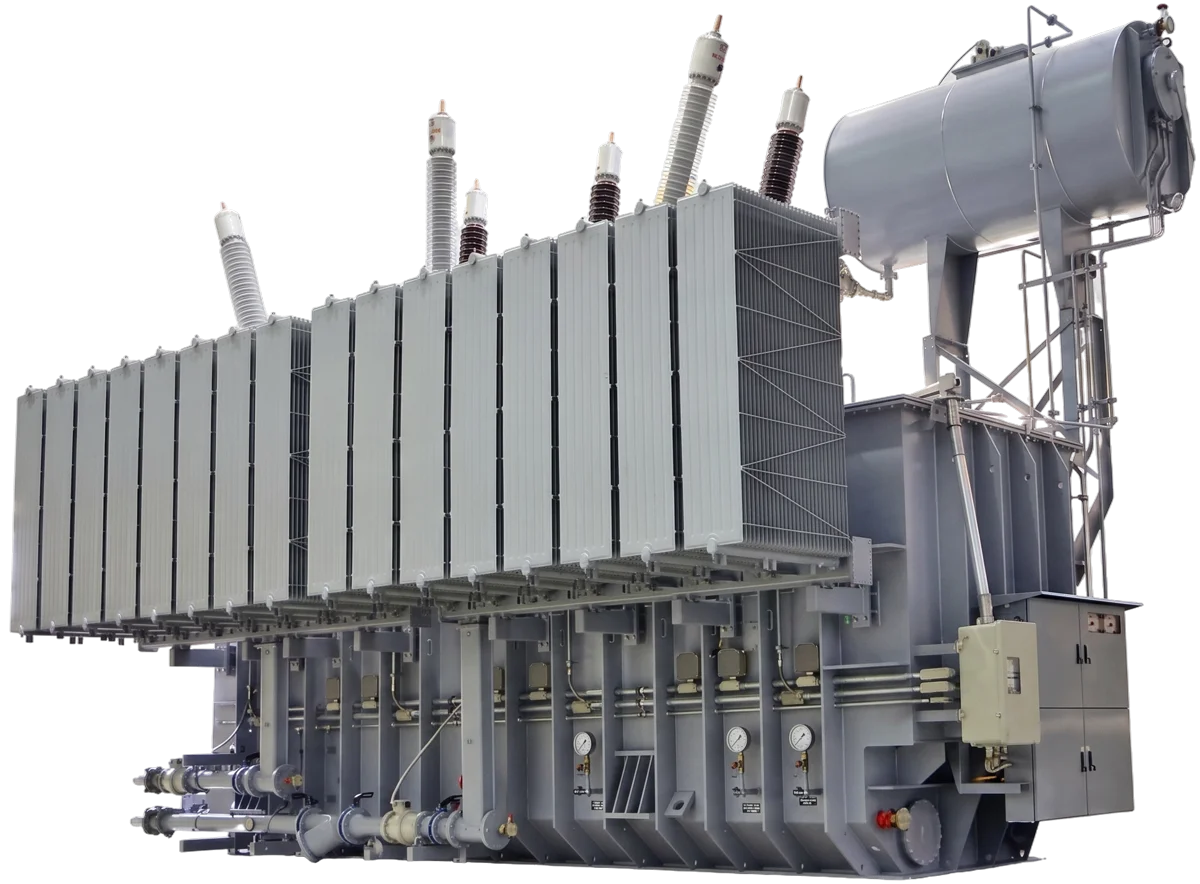
Compare LIMIK Transformer Types
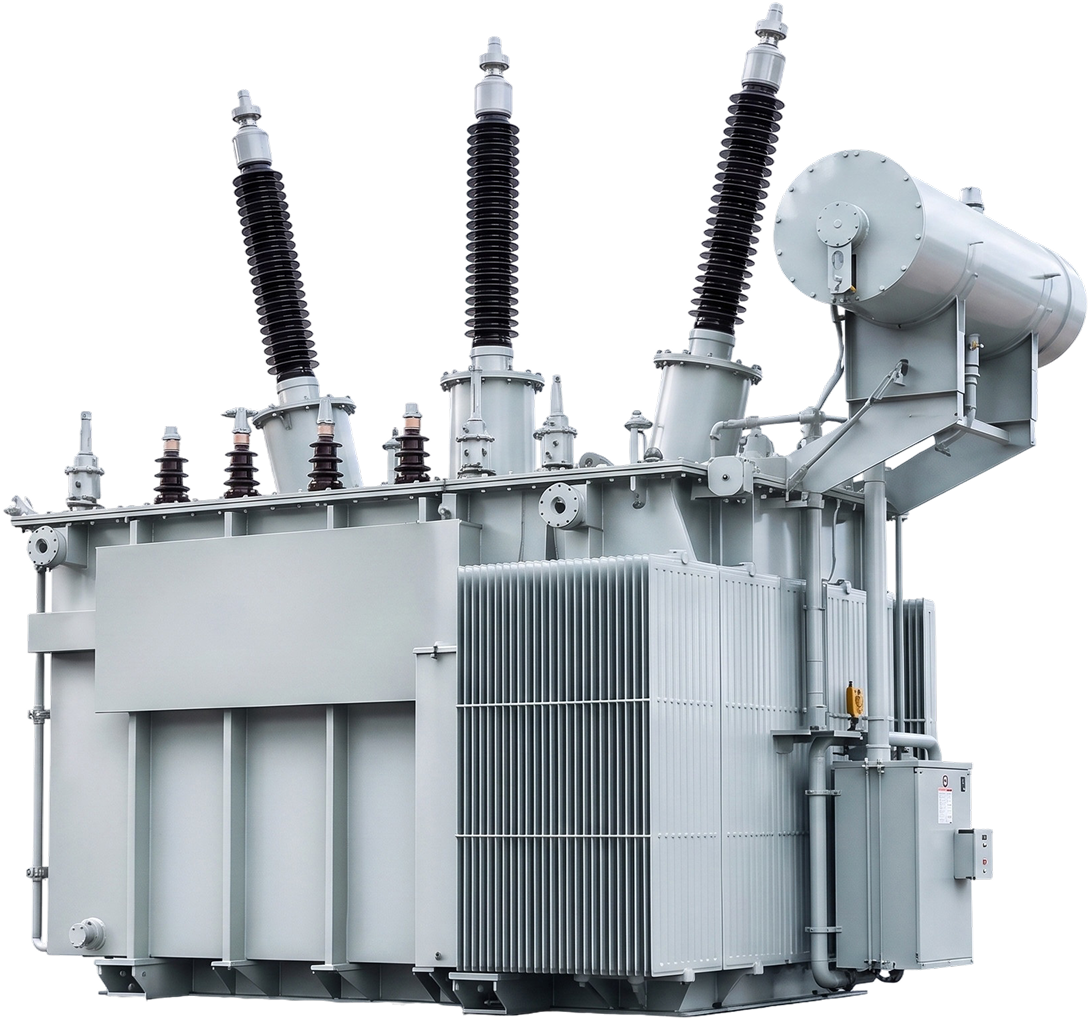
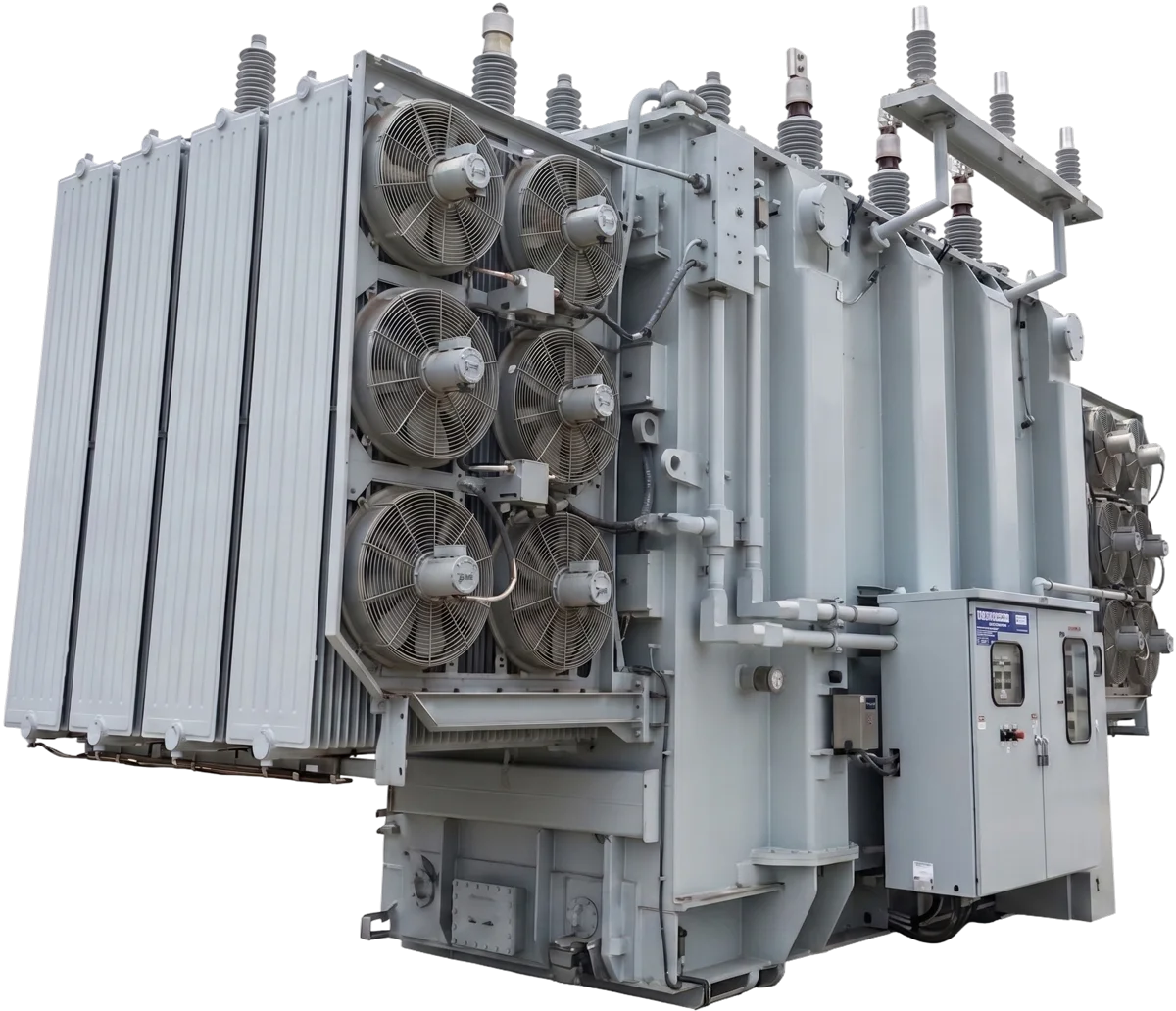
Same engineering standards, testing, and Buy American compliance across every LIMIK platform — the difference is capacity, voltage class, and application.
|
|
 |
 |
|
|---|---|---|---|
| Capacity Range | Up to 100 MVA | 20–600 MVA | Up to 600 MVA |
| HV Rating | Up to 230 kV | Up to 525 kV | Up to 525 kV |
| LV Rating | Up to 69 kV | Up to 69 kV | Up to 345 kV |
| Phases | Single-phase and three-phase | Single-phase and three-phase | Single-phase and three-phase |
| Tap Changer | OLTC available | OLTC standard; DETC available | OLTC standard; DETC available |
| Cooling Methods | ONAN / ONAF | ONAN / ONAF / OFAF | ONAN / ONAF / OFAF |
| Standards | IEEE C57, ANSI, NEMA | IEEE C57.12.00/.10/.90, ANSI, NEMA | IEEE C57.12.00/.10/.90, ANSI, NEMA |
| Compliance | BAA, BABA, §303 DPA | BAA, BABA, §303 DPA | BAA, BABA, §303 DPA |
| Factory Testing | IEEE C57.12.90 | IEEE C57.12.90 | IEEE C57.12.90 |
| Lead Time | 43–52 weeks | 48–72 weeks | 48–72 weeks |
| Primary Application | Emergency restoration, temporary substation deployment | Utility substations, transmission interconnection | Bulk EHV transmission interconnection |
| Details | Details |
Power Starts Here
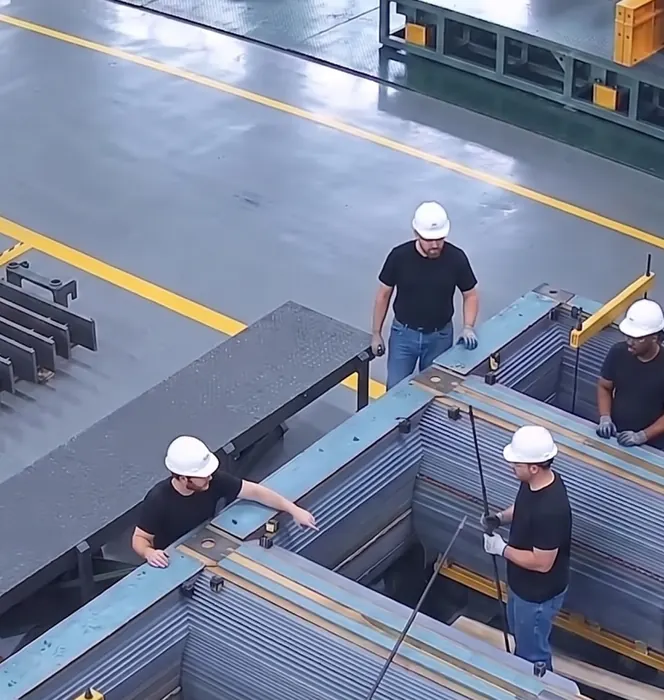
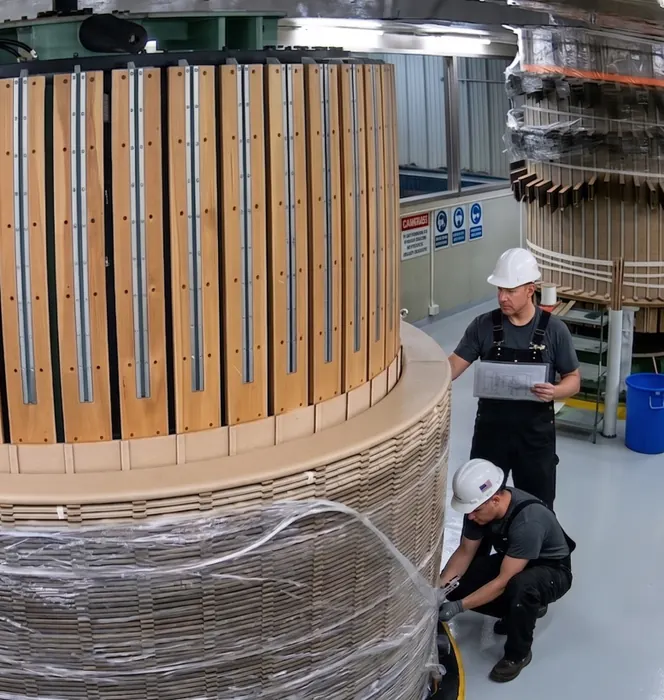
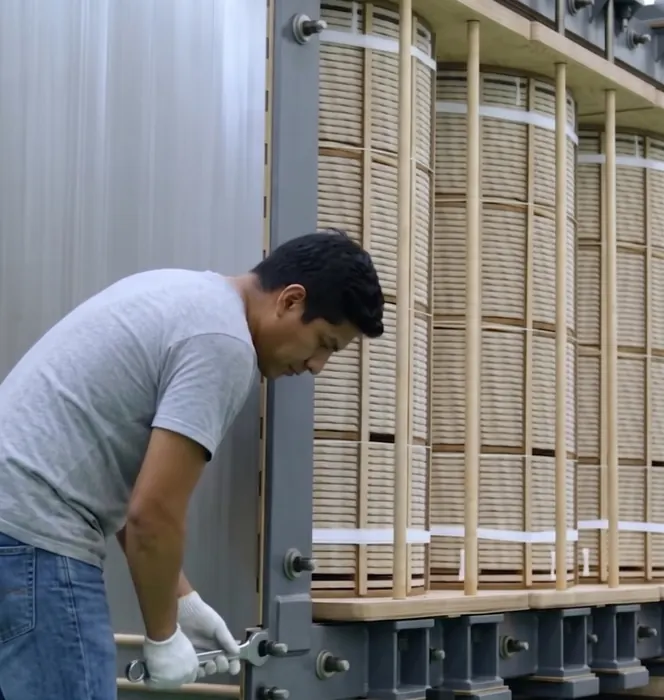
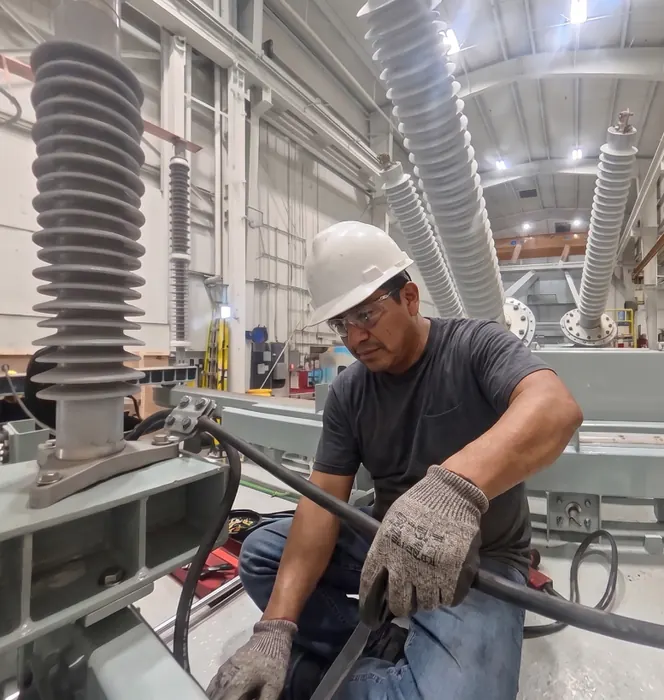
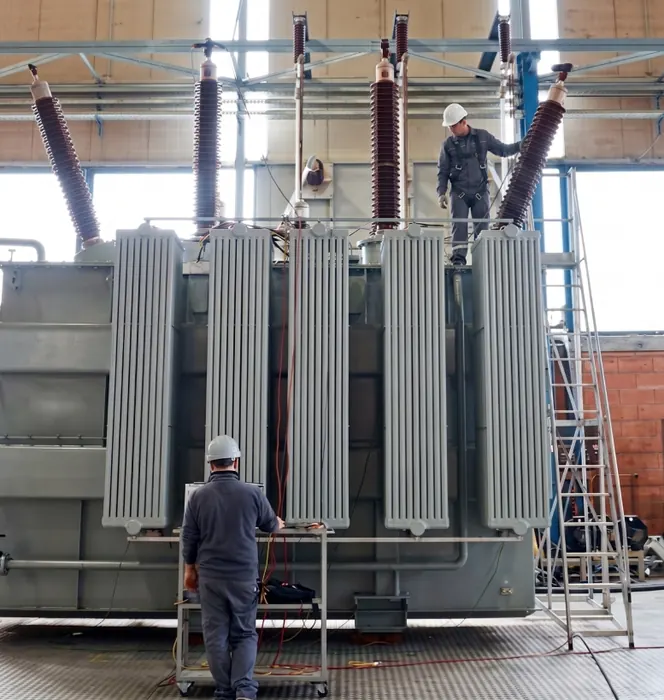
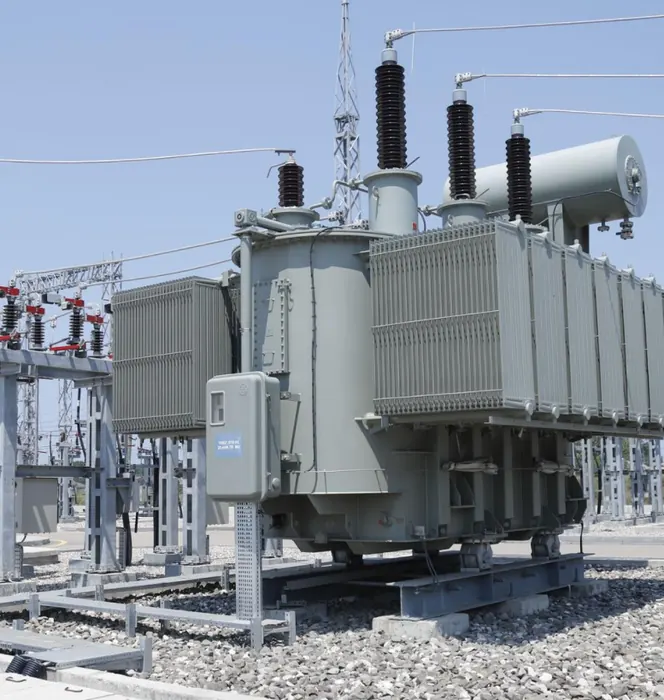
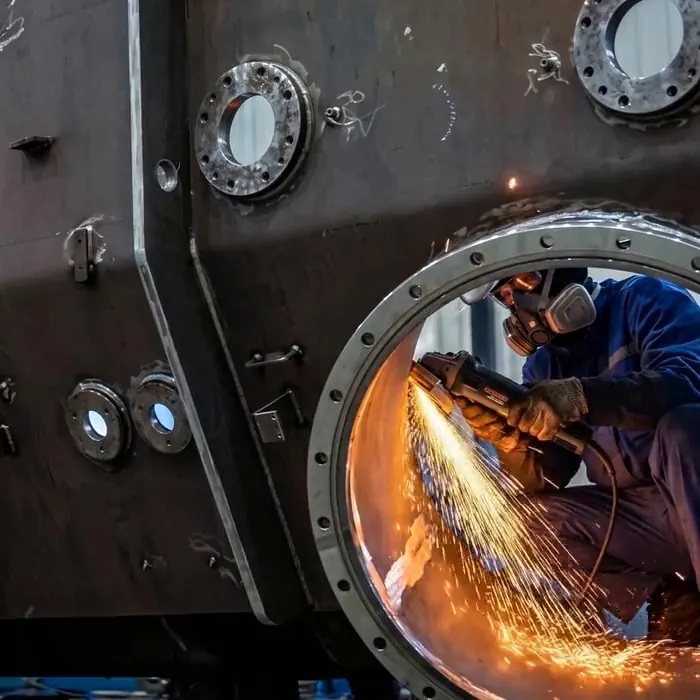
What starts as raw steel and copper becomes the machine that carries power across an entire region. Every weld, every winding, every test is done by people who know exactly what they're building and why it matters.
Three Reasons We're Different

25 Years of Engineering
LIMIK has designed and delivered large power transformers for utilities, power producers, and EPC contractors. Every project starts with your specification — not our catalog.

Made in the USA
Every transformer is designed, engineered, and built on American soil. That means Buy American compliance by default — and a supply chain you can actually track.

48 Weeks. Not 4 Years
While overseas suppliers quote 2–4 year lead times, LIMIK delivers in 48 weeks. When your project schedule is at stake, that difference is everything.
Mobile Substations & Transformers, Explained
Answering the questions we hear most — from technical specification and testing to compliance, delivery, and procurement. Everything you need before you submit an RFQ.
Contact UsLIMIK builds and sells mobile substations and transformers to own — we don't operate a rental fleet. The mobile substation market genuinely splits into two models: rental providers who supply short-term equipment for a single outage or planned project, and manufacturers who build a unit that becomes part of your permanent spare fleet. If you need equipment for a one-time, short-duration deployment, a rental fleet may be the faster fit. If you're building standing emergency-response capacity you'll use repeatedly, owning a unit engineered to your system typically pays for itself over multiple deployments.
Both approaches are common, and the right one depends on your fleet. Utilities with several substations at similar voltage and MVA levels often specify one flexible spare — sometimes with a wider tap range — sized to serve as backup across multiple sites. Utilities with a single critical, larger, or non-standard substation more often specify a spare matched closely to that one unit's voltage ratio and impedance. Both the HV/LV voltage combination and the MVA rating need to line up with what you're backing up; our engineering team can help model which strategy fits your substation fleet.
Mobile substations are engineered for mobile, temporary-duty service — trailer-mounted construction and duty cycle are built around being deployed, energized, and eventually relocated, not around the multi-decade fixed installation a permanent substation is designed for. That said, there's no universal fixed time limit on how long one can stay in place; utilities commonly run a mobile unit as a bridge for months while a permanent replacement is engineered and built, and the actual duration is governed by your own interconnection agreement and system planning, not a hard rule from the manufacturer.
Weight and space are constrained on a trailer-mounted unit in a way they aren't on a fixed substation transformer, and an on-load tap changer adds both. Many mobile deployments — emergency restoration, temporary construction power — don't require continuous under-load voltage regulation, so a simpler, lighter configuration is often the better fit for the application. Where your project's protection scheme or grid interconnection agreement calls for on-load regulation, OLTC is available as a specified option.
That depends on what you're pairing it with. If you already have switchgear and controls that meet your protection requirements, a standalone mobile transformer is engineered to interface with what you have. If you're not yet sure whether your existing equipment is compatible, or you may need a fully integrated unit down the line, it's worth discussing both scenarios with our engineering team before you finalize a specification — reworking the interface later costs more than planning for it up front.
That's exactly what our engineering team is for. Emergency restoration, planned maintenance, temporary construction power, and disaster response usually point toward a mobile unit — but every substation, protection scheme, and timeline is different. Request a quote and describe your situation; we'll help you work out whether mobile, or one of our fixed platforms, is the right fit.
Ready to Power Your
Next Project?
& Transformers